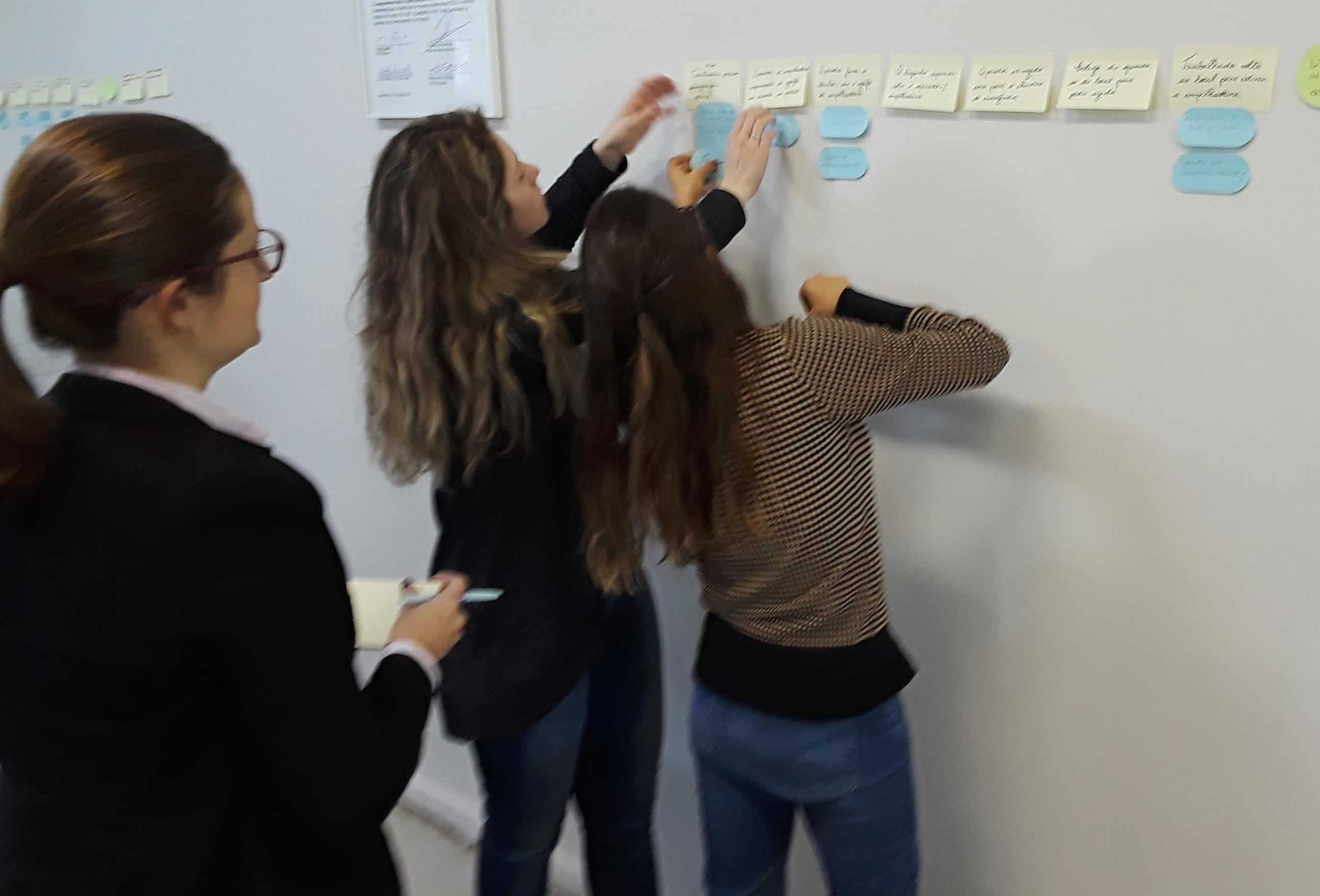
Stop Investigating from Memory – Start with a SnapCharT® Diagram

Someone tells the story, someone fills in the gaps, and before long, everyone thinks they know what happened. That’s what investigating from memory looks like. The brain is great at storytelling – it organizes incomplete information into a nice, neat narrative, even when important pieces are missing. That’s why TapRooT® Investigators start somewhere different. They start planning their investigations with a SnapCharT® Diagram.
The SnapCharT® Diagram Exposes What You Don’t Know
Let’s say you know these events occurred:
- Operator starts up machine.
- An alarm sounds.
- The machine stopped.
- The operator reached inside the machine.
- Operator sustains finger laceration.
You have a sequence of events, but now there are more questions.
- Why did the alarm sound?
- What were the conditions around the machine stopping?
- What conditions influenced the operator to reach inside?
- Did any safeguards exist to keep the operator from reaching inside?
- What else happened between the machine’s start-up and the attending to the worker’s injury?
What else would you ask? These questions become part of your evidence collection plan. See where I’m going with this? Instead of assuming what happened, you’ve identified what you still need to learn.
Gaps Point to Evidence
You’re not out there grabbing every piece of information you can find. That would be a colossal waste of time. Instead, you are looking for information needed to fill specific gaps in the timeline.
For each event on your SnapCharT® Diagram, ask:
- What do I know?
- What do I still need to learn?
This will help you figure out what evidence to collect next. It might be video, maintenance records, procedures, or information you can obtain through an interview. The SnapCharT® Diagram keeps you focused instead of being overwhelmed by what to collect or collecting the wrong things.
Start with a SnapCharT® Diagram to Reduce Confirmation Bias
The SnapCharT® Diagram slows down conclusions. Once conclusions are formed, we naturally seek confirmation that supports our opinions. The diagram encourages a different mindset.
Don’t stop with the answer to:
Who made the mistake?
When a mistake is identified, ask:
What conditions influenced decision-making?
In the example above, it may be fatigue, missing information, poorly designed equipment or interfaces, unclear procedures, or any number of things. You’re looking for things that should have or could have supported the operator in making a better decision.
This is a small but important shift.
The Story Should Come from Evidence
Every investigation tells a story. The SnapCharT® Diagram provides a structure for organizing facts as they are discovered. As new information becomes available, the picture becomes clearer, missing pieces are filled in, and investigators can see where additional evidence is still needed.
Don’t trust memory alone. Organize what you know, identify what you don’t know, and let the evidence complete the story. That’s the difference between simply documenting an incident and understanding it.
Coming Soon
This article is adapted from the upcoming second edition of Evidence Collection and Interviewing Techniques to Sharpen Investigation Skills by Barb Carr and Mark Paradies. The revised edition, scheduled for release in early 2027, expands on practical methods for collecting reliable evidence, conducting effective interviews, and strengthening investigations through sound investigative practices.
Want to know more? Consider joining us for the Effective Interviewing and Evidence Collection course at the 2027 Global TapRooT® Summit. You’ll receive a copy of the new book and a chance to practice your new evidence collection tools.