Will You Be Reactive or Proactive in 2026?

The Road Not Taken
Robert Frost Wrote:
Two roads diverged in a yellow wood,
And sorry I could not travel both
And be one traveler, long I stood
And looked down one as far as I could
To where it bent in the undergrowth;
Then took the other, as just as fair,
And having perhaps the better claim,
Because it was grassy and wanted wear;
Though as for that the passing there
Had worn them really about the same,
And both that morning equally lay
In leaves no step had trodden black.
Oh, I kept the first for another day!
Yet knowing how way leads on to way,
I doubted if I should ever come back.
I shall be telling this with a sigh
Somewhere ages and ages hence:
Two roads diverged in a wood, and I—
I took the one less traveled by,
And that has made all the difference.
Reactive or Proactive Root Cause Analysis
Robert Frost couldn’t take both roads. But you can have both reactive and proactive root cause analysis.
But what is the road less traveled?
Read on for a discussion of how to apply reactive and proactive root cause analysis and why you should consider taking the road less traveled by.
Reactive Root Cause Analysis
Applying root cause analysis after an accident or incident is probably the most common use of RCA.
TapRooT® Root Cause Analysis can help an investigator understand:
- What happened,
- The causal factors,
- Why it happened (the root causes),
- Why they happened (the generic causes),
- How the root causes can be fixed (preventing future incidents), and
- How to explain the incident, its causes, and the fixes to management.
This is a great way to apply root cause analysis to help your company improve performance, but it is not the only way.
Let’s look at the other path…
Proactive Root Cause Analysis
TapRooT® Root Cause Analysis can be applied proactively to prevent accidents and incidents. This is probably the road less traveled.
How can you use TapRooT® Root Cause Analysis proactively? Read on for several ideas.
Learning Teams

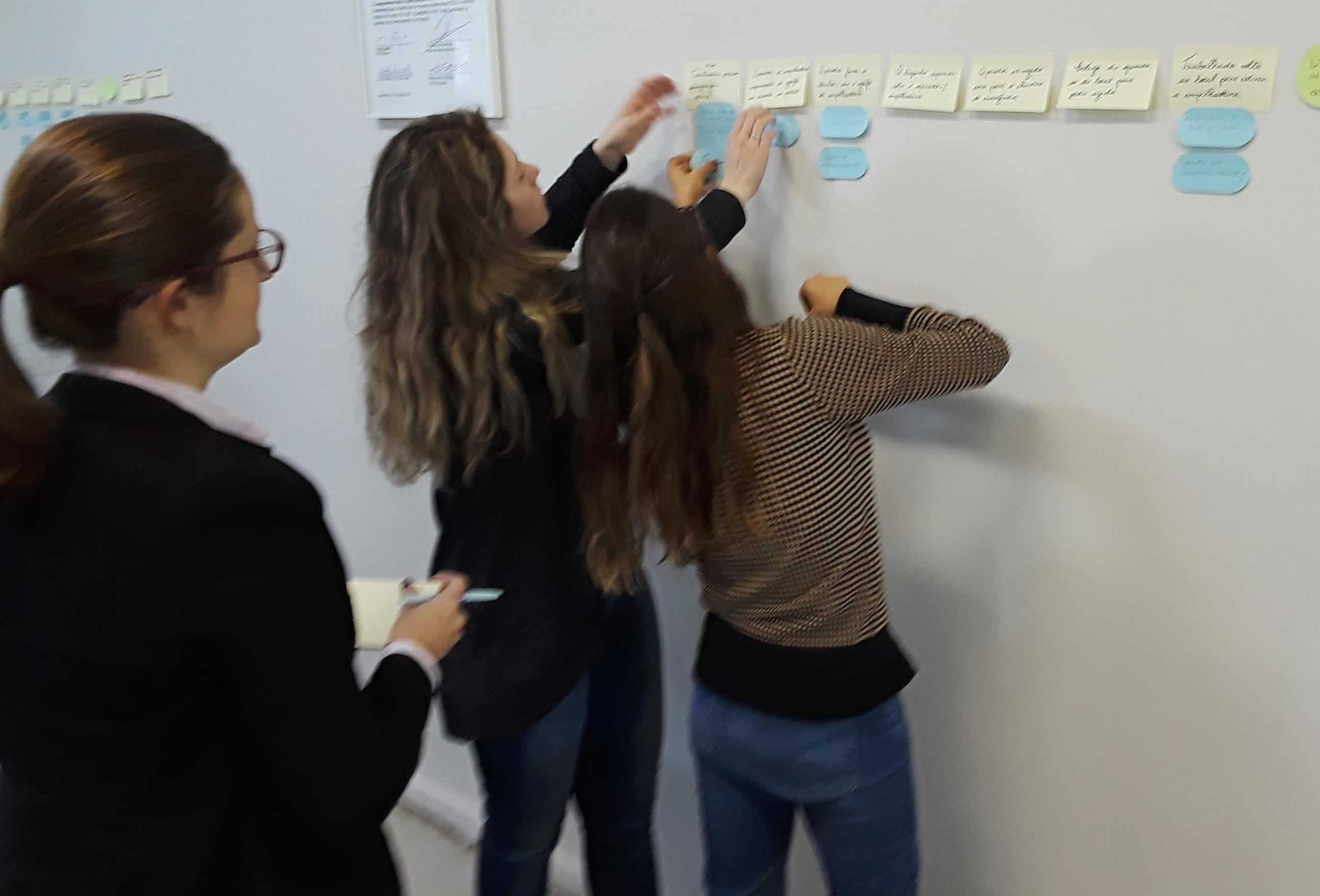
Learning teams are looking for ways to improve performance. Many facilitators think that asking employees for ideas on how to improve the work is good enough. However, we have found that root cause analysis can be applied proactively to help learning teams understand better ways to perform a task.
TapRooT® has seven Basic Cause Categories that are filled with best practices to help a learning team improve performance. For example, look at the Procedures Basic Cause Category shown below…

All of the references pointing to the Procedures Basic Cause Category (above) helped us define the procedure-related root causes. A Learning Team can use this Basic Cause Category to identify problems with their procedures and use the Corrective Action Helper® Guide to develop improvement ideas using the best practices.

THIS LINK explains the use of TapRooT® Root Cause Analysis to improve HOP and learning teams, including using root cause analysis proactively.
Reliability Engineers

Are you looking for ways to proactively improve equipment reliability? The you may want to proactively use the Equifactor® Troubleshooting Tables (an optional tool in the TapRooT® Root Cause Analysis System) to develop improvement ideas. THIS LINK shows an example of using the Equifactor® Troubleshooting Tables proactively to prevent a problem when installing and testing a pump.
THIS LINK explains six ways to use TapRooT® Root Cause Analysis and Equifactor® Equipment Troubleshooting to improve equipment performance and Overall Equipment Effectiveness (OEE).
Design Engineers

We trained a team of design engineers to use TapRooT® Root Cause Analysis to proactively review their designs. It was very interesting to see the problems they discovered with designs they thought were perfectly good. See the example HERE.
Improving Patient Safety

Jackson County Memorial Hospital used FMEA and TapRooT® Root Cause Analysis to proactively improve patient safety. They combined the two techniques to anticipate error-prone points and implement corrective actions to eliminate or mitigate potential issues. See their success story HERE.
With hundreds of thousands of people across the US being injured or killed each year due medical errors and medication errors, imagine the progress that could be made if more facilities were using TapRooT® RCA to improve patient safety.
That’s Just the Start
That’s just the start. There are many other ways to apply TapRooT® Root Cause Analysis to improve performance. If you would like to learn more, consider attending a 5-Day TapRooT® Advanced Root Cause Analysis Team Leader Course.
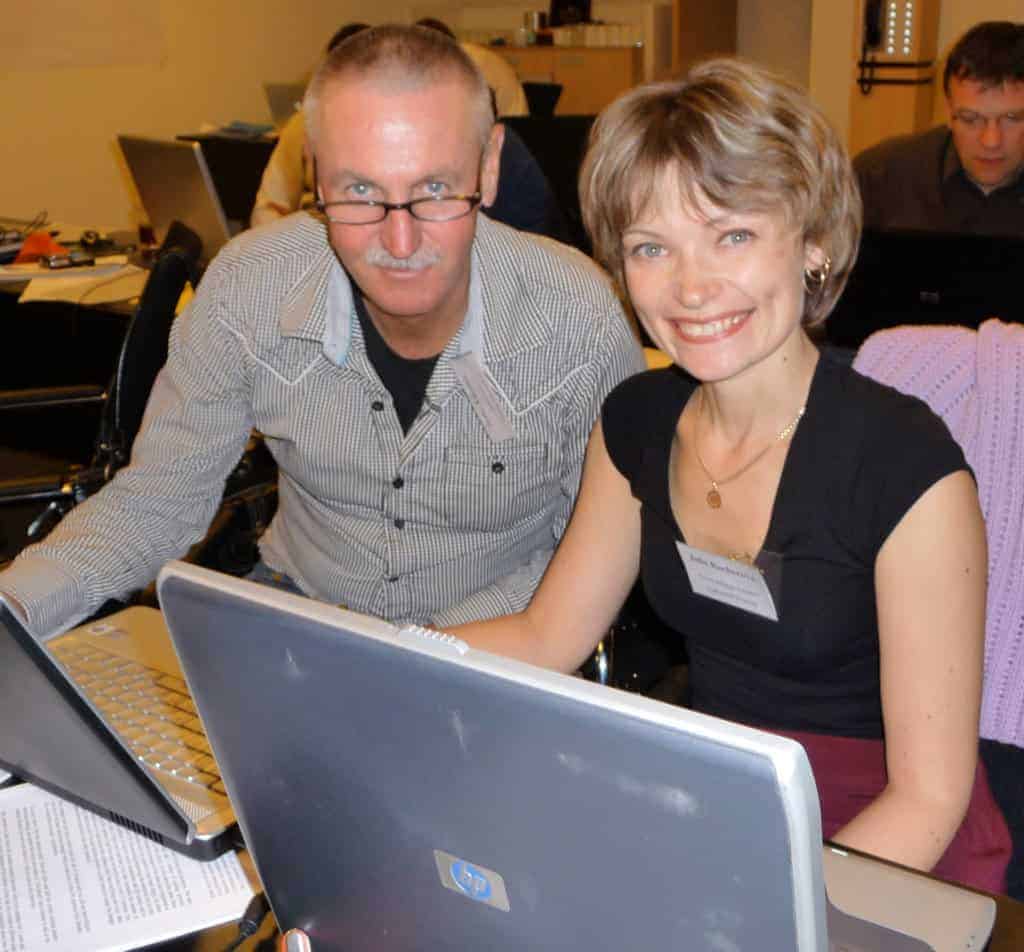
You could schedule a course at your site. CLICK HERE for a quote.
Or attend one of our public 5-Day Courses. CLICK HERE for dates and locations.
Don’t wait. The mistake you prevent will save lives, prevent injuries, improve quality, stop equipment failures, and improve operational excellence. As Robert Frost said, when he took the road less traveled by…
And that has made all the difference.