Two Days Earlier, I Rode That Roller Coaster Multiple Times. Now I Can’t Stop Thinking About It.
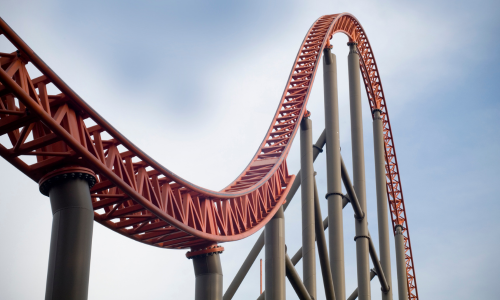
Sometimes, a news story hits a little differently when you’ve been there yourself. Two days before the tragic Six Flags Over Georgia accident, I was at the park.
I rode Goliath. Several times.
I stood in line, climbed aboard, secured my restraint, and enjoyed the ride. Like everyone else there, I trusted the equipment was safe, the inspections were complete, and the people operating the ride had done everything necessary to protect us.
It was supposed to be a fun day. A memory to look back on and smile about.
Then, two days later, I learned that someone had tragically died after being ejected from that same roller coaster.
I can’t stop thinking about it.
I keep coming back to the fact that I was sitting in that seat just 48 hours earlier. I was one of the people trusting that everything was working as it should. And now, someone else’s family is facing a loss that no family should ever have to experience.
It’s a sobering reminder that behind every safety incident, there are real people. Families. Friends. Coworkers. Lives that are forever changed.
And it brings up a question that goes far beyond amusement parks.
How do we make sure we’re doing everything we can to prevent the next tragedy?

Safety Is Not a One-Time Event
According to reports, the ride had undergone a state inspection in March 2026, with no violations or deficiencies reported. The investigation into the October accident is ongoing, and we don’t yet know what caused it.
It’s important not to jump to conclusions. We shouldn’t assume that an inspection was inadequate, that someone made a mistake, or that this tragedy could have been prevented in a particular way without knowing the facts.
But this situation does remind us of something important: safety is not a one-time event.
Inspections matter. Procedures matter. Maintenance matters. Training matters.
But we also have to ask whether our safety systems effectively identify and manage existing risks.
Passing an inspection is important. Understanding risk is essential, too.
The same principle applies in every workplace, from an amusement park to a manufacturing facility, a construction site, or an industrial plant.
We can have procedures in place, complete our required inspections, and check every box on a checklist. But are we truly understanding the risks? Are we recognizing patterns? Are we asking the questions that help us uncover problems before someone gets hurt?
What the Six Flags Over Georgia Accident Reminds Us About Safety
When an incident happens, it’s natural to want an immediate answer. We want to know what failed, who was involved, and how it could have happened.
But identifying what happened is only the beginning.
Effective root cause analysis means looking beyond the immediate event to understand the contributing factors and underlying causes. It means examining the evidence, challenging assumptions, and resisting the temptation to settle for the easiest explanation.
Sometimes, the most important lessons come from asking questions that aren’t immediately obvious.
What conditions contributed to the event? Were safeguards effective? Were there opportunities to identify or reduce the risk? What evidence can help us understand what really happened?
Investigators must answer these questions through a thorough, evidence-based process, not through speculation after reading a headline.
Because the goal isn’t simply to explain an incident after the fact. The goal is to learn from it.
Behind Every Safety Incident Are Real People
Working in the root cause analysis space means talking a lot about incidents, contributing factors, corrective actions, and prevention.
Those things are important. They’re the foundation of learning and improvement.
But sometimes, it’s easy to get caught up in the technical side of safety and forget what it’s ultimately about.
People.
The person who goes to work expecting to come home safely to their family. The parent who takes their children to an amusement park for a day of fun. The employee who trusts that the equipment they’re using is safe.
We all make those assumptions every day. We trust the systems around us, often without giving them a second thought.
I certainly wasn’t thinking about incident investigations or root causes when I got on Goliath that day. I was just enjoying the ride.
That’s what makes this so personal.
It reminds me that safety isn’t just about compliance, reports, or statistics. It’s about the people who depend on us to get it right.
We don’t yet know all the answers about what happened at Six Flags Over Georgia, but I hope the investigation provides answers that help improve safety and prevent similar tragedies.
In the meantime, I think there’s a lesson here for all of us.
Don’t assume that because something has always worked, it always will. Don’t confuse completing a process with fully understanding a risk. And when something goes wrong, don’t stop investigating at the first explanation that seems to make sense.
Keep asking questions. Follow the evidence. Look for the underlying causes. Develop corrective actions that address the problems identified and verify that those actions work.
At TapRooT® RCA, this is central to what we do: helping organizations understand why incidents happen so they can take meaningful steps to prevent them from happening again.
Because behind every investigation is something much bigger than finding an answer.
It’s the hope that what we learn today might help someone else make it home safely tomorrow.