Lessons Learned: When Hazardous Conditions Change the Safety Culture
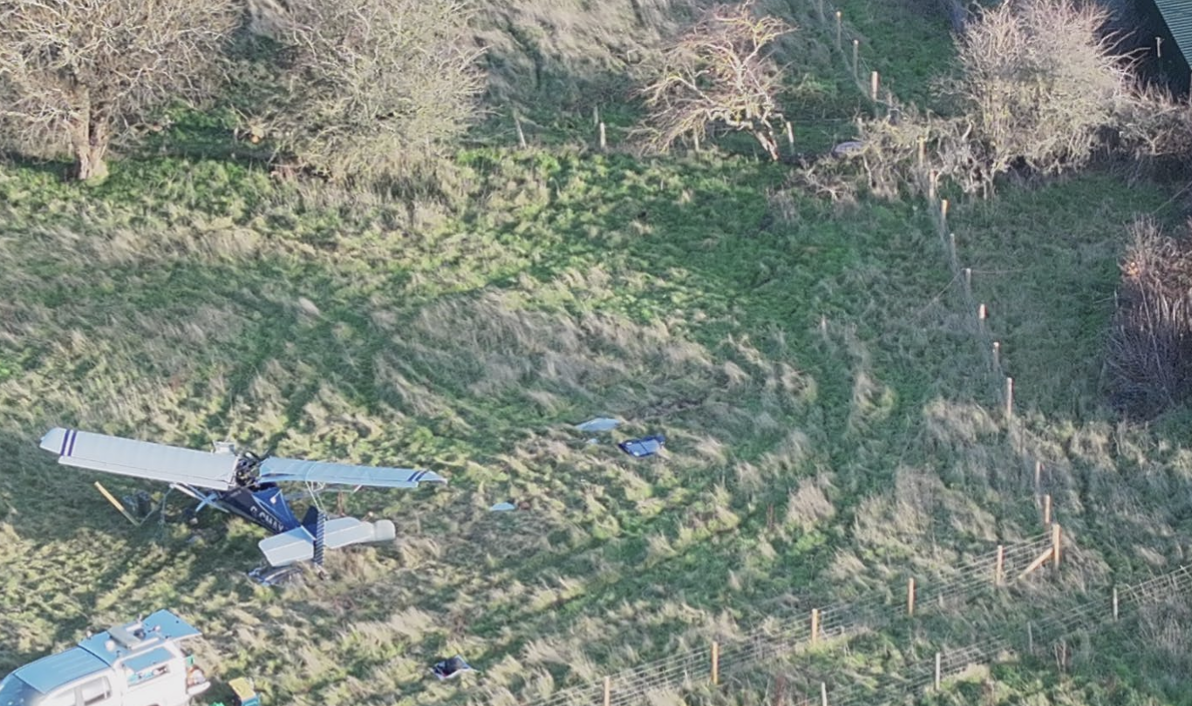
Hazardous conditions, including turbulence from an unstable air mass, contributed to a pilot’s serious injuries.
Immediately prior to the hazardous conditions and just after takeoff, the tug aircraft in a glider-tug launch combination rolled, uncommanded, to approximately 60° left wing down. The glider disconnected and landed safely ahead, but the tug aircraft turned left and touched down within the airfield boundary before becoming airborne again. Control of the aircraft was then lost and it struck the ground in an adjacent field. The sole pilot was seriously injured.
The wind at the time of the accident was fully across the runway in use and may have been above the crosswind limit of the aircraft. Turbulence encountered by the aircraft during the flight immediately before the accident indicated that the air mass over the runway was unstable and is likely to have been so during the accident flight, probably causing the initial roll and subsequent loss of control.
The pilot initially intended to take off to the east, into wind. However, it was discovered while setting up that the launch area was wet and too boggy to operate from. Following a conversation between the duty instructor and the tug pilot, it was agreed to change runways and operate from the northwesterly runway 1, accepting a 90° crosswind from right to left. While moving the glider to the new launch area, G-CMAX departed from the northwesterly runway without a glider attached to check the local flying conditions.
It was common practice at the club for the tug aircraft to fly for about 10 to 15 minutes before the start of gliding operations to check for rotor turbulence from the mountains in the area in which the gliders were going to be flying. The aircraft was seen returning to the airfield and making an approach in the reciprocal direction to departure. As the wind was blowing at right angles to the chosen runway, neither direction had a favorable headwind. On final, the aircraft was observed being rocked considerably by turbulence. The amount of rocking was enough for a club member to comment on it to a fellow member. The aircraft was seen to climb away after which the pilot made a second approach to the same runway and landed.
As a result of this accident, the gliding club improved the weather reporting system to provide more accessible and accurate wind measurements to pilots and began work to improve the safety culture at the gliding club.