It’s Getting Noisy in Here! A Human Factors Perspective
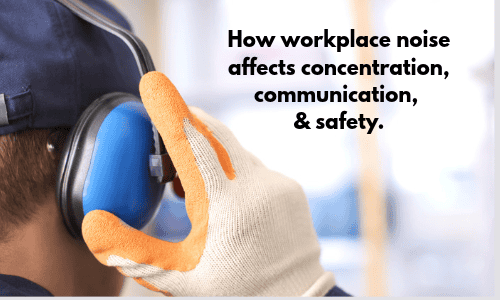
When we think about noise as a workplace hazard, we usually think about hearing loss. We picture a worker operating noisy machinery, wearing hearing protection, or working in areas where noise needs monitoring. What we don’t always think about is how noise can affect human performance in other important ways.
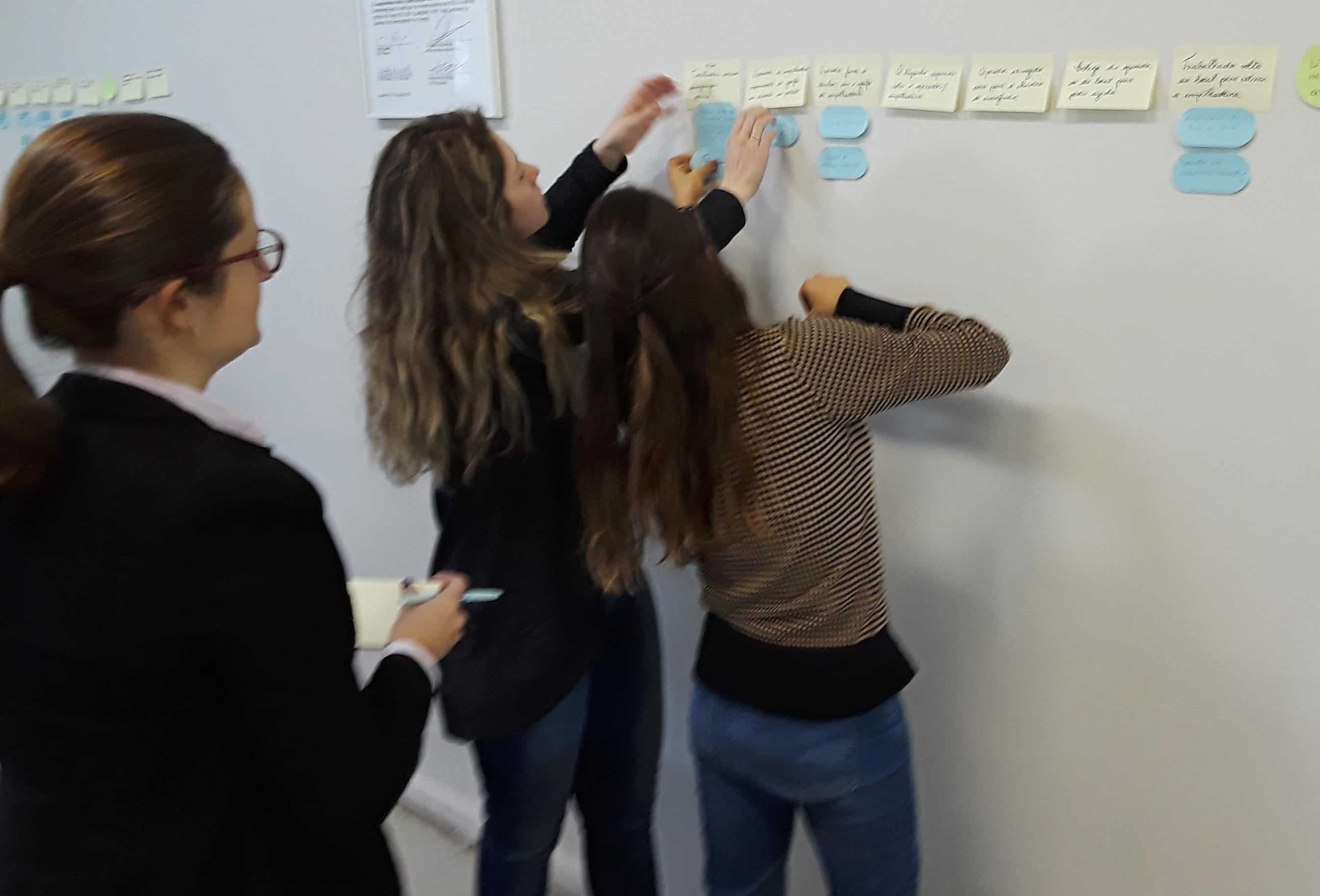
I was reminded recently that noise doesn’t have to be particularly loud to interfere with human performance. During a TapRooT® Course, a participant mentioned that background conversations were making it difficult to complete coursework. In a training room, background conversations, audible phone alerts, or even an air conditioning system cycling on and off can significantly interfere with focus, memory, and the ability to recognize important information.
So, we made some adjustments to the training room environment. From a human factors perspective, these conditions deserve attention because they influence performance.

Noise Is More Than a Hearing Protection Issue
How do you define noise? Most people would say it is an unwanted sound, but it depends on more than volume.
Research discussed in Introduction to Human Factors demonstrates that noise can interfere with cognitive performance, particularly when tasks require concentration, learning, memory, or sustained attention.
For example, researchers found that students did worse on a memory test when they could hear people talking about something unrelated to the task. Students who worked in silence remembered more. Another study found that people had a harder time learning and remembering information when they could make out what others were saying in the office. Other office sounds were less problematic.
What does this mean for employees who must read detailed procedures, perform calculations, or do any kind of work that requires focus? It means even relatively moderate noise can compete for the mental resources needed to perform these tasks accurately.

Why Unpredictable Noise Can Be Particularly Distracting
One interesting finding from human factors research is that noise variability can matter as much as its intensity. A steady background sound may eventually become less noticeable. A sound that changes frequently, such as intermittent conversations, different types of audible phone alerts, or equipment starting and stopping, can repeatedly draw attention away from the task.
Imagine an employee troubleshooting a complicated equipment problem while nearby conversations begin and end throughout the process. Each interruption may require the employee to redirect attention to the task, recall where they left off, and reestablish their train of thought. This creates additional mental workload.
In research discussed in Introduction to Human Factors, people performed worse under varying noise conditions on vigilance tasks, which require staying alert over time to catch occasional signals or changes. Think of a control room operator monitoring a display for an unexpected drop in pressure.

When Noise Interferes With Warning Signals
Noise can also affect an employee’s ability to detect important sounds. Human factors researchers call this auditory masking, which occurs when one sound interferes with the ability to hear another.
Consider an employee working near machinery that produces continuous background noise. An equipment alarm activates, but its frequency or intensity makes it difficult to distinguish from surrounding sounds. The alarm may be functioning exactly as designed, yet the employee may fail to recognize it. This raises an important question: Was the warning system designed for the actual environment in which employees must use it?
Increasing alarm volume is not always the best answer. Alarm design should consider background noise, frequency, distinctiveness, and the employee’s ability to recognize and respond to the signal. A warning system is effective only when people can reliably detect and interpret its message.
Noise and the TapRooT® Root Cause Tree®
The TapRooT® Root Cause Tree® Dictionary addresses noise in two Basic Cause Categories: Human Engineering and Communications. While the same noisy environment may contribute to an incident, investigators need to understand how the noise affected human performance to identify the appropriate root cause.
| Human Engineering: Noise Affects Performing a Task | Communications: Noise Affects Understanding Spoken Information |
| Under Human Engineering, Work Environment, noisy root cause, the focus is on how noise affects a person’s ability to perform a task. Investigators consider whether noise: * Interfered with concentration or attention. * Distracted an employee from the task being performed. * Made it difficult to hear an alarm or other important signal. Interfered with detailed troubleshooting or emergency diagnosis, particularly when hearing protection was required. For example, imagine a control room operator troubleshooting an equipment malfunction. Nearby machinery cycles on and off, creating intermittent noise that repeatedly interrupts the operator’s concentration. During troubleshooting, the operator overlooks an important change in equipment conditions. The investigation should explore whether noise contributed to the operator’s difficulty maintaining attention and recognizing the change. | Under Communications, Misunderstood Communication, noisy environment root cause, the focus is on noise that interferes with a person’s ability to understand spoken information. Investigators consider whether: * A verbal message or instruction was misunderstood because background noise interfered with the listener’s ability to hear it accurately. * Noise interfered with understanding information transmitted through radios, telephones, public address systems, or other communication equipment. For example, imagine a maintenance technician receiving instructions over a radio while working near operating equipment. Background noise makes part of the message difficult to hear. The technician misunderstands the instruction and performs the wrong action. In this situation, the investigation should examine how noise interfered with the communication and contributed to the misunderstanding. |
Designing Work Environments That Support Human Performance
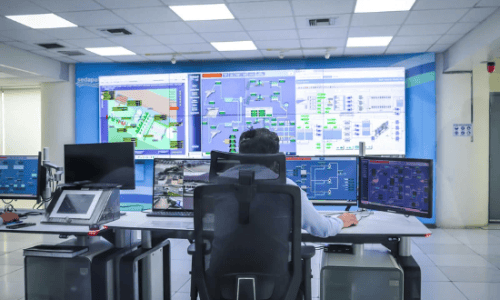
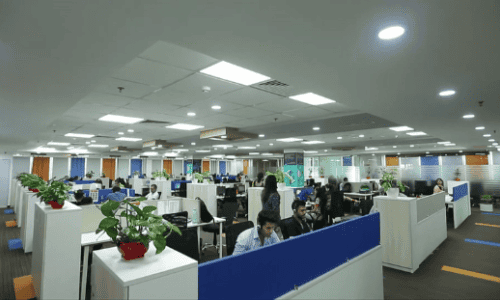
Understanding how noise affects performance creates opportunities to improve workplace design. For example, in a control room where employees must monitor equipment, communicate with coworkers, and respond to alarms. The environment should support these activities. If employees must concentrate intensely to distinguish alarms from background noise, the design may increase the likelihood of error.
The same principle applies to offices, laboratories, maintenance shops, and other environments with high cognitive demands. Potential improvements include reducing unnecessary noise at its source, separating noisy activities from concentration-intensive work, improving acoustic conditions, and designing alarms that remain distinguishable under actual operating conditions.
It is also important to consider the type of work being performed. An acceptable noise level for one task may interfere significantly with another. Employees performing complex troubleshooting, learning new procedures, or monitoring for subtle changes may be particularly affected by environmental distractions.
A Human Factors Perspective on Noise
Workplace safety efforts often concentrate on noise exposure limits and hearing protection. Those measures are important for preventing hearing damage. However, occupational noise exposure limits are not intended to guarantee that an environment supports concentration, memory, or effective communication.
Human factors encourages us to examine how the work environment influences performance. Was the environment unnecessarily distracting? Could important signals be distinguished from background sounds? Did the workspace design make the task more difficult?
The goal is to design work environments that make successful performance more likely.
Noise may be an overlooked contributor to human performance problems, but its effects can be significant. Recognizing those effects helps investigators identify contributing conditions and helps employers design workplaces that better support the people doing the work.
References
Introduction to Human Factors, Chapter 10, “Environmental Design,” Section 10.5, “Environmental Noise,” pp. 270–272. Research discussed includes Becker et al. (1995), Banbury and Berry (1998, 2005), Knez and Hygge (2002), and other studies examining noise and cognitive performance.
TapRooT® Root Cause Tree® Dictionary, © 2025 System Improvements, Inc., pp. 97, 144–145. Communications, Misunderstood, “Noisy Environment,” and Human Engineering, Work Environment, “Noisy.”
Learn more about how human factors influence workplace performance, how to recognize conditions that contribute to incidents, and how to identify root causes using the TapRooT® Root Cause Tree® in our 5-Day TapRooT® Advanced Root Cause Analysis Team Leader Training.