Root Cause Analysis BS

Can you tell the difference between a bull and BS?
What is Root Cause Analysis BS?
Lately, I’ve seen many articles and advertisements about Root Cause Analysis that are simply BS. What is BS? Bad Stuff. Stuff that doesn’t make sense. Exaggeration about the system’s performance. Statements that a system is the world’s best root cause analysis from a company with little history of performance improvement to back up the claim.
So I wrote this short article to help you see the difference between world-class root cause analysis and claims without evidence.
How Does One Achieve Best-In-Class Root Cause Analysis?
We have previously written articles about being the “best” root cause system, software, or implementation, including these:
- The Secrets of the Best Root Cause Analysis
- Comparing Major Root Cause Analysis Techniques
- How is TapRooT® Root Cause Analysis Different? (Best)
- Six Root Cause Analysis Best Practices
- What is the Best Root Cause Analysis Method?
- Why is TapRooT® Root Cause Analysis Software the Best Choice?
To summarize the above articles, root cause analysis systems need to be developed to include the following:
- Provide expert guidance in human performance and equipment reliability.
- Be simple to use but not too simple.
- Have great documentation.
- Have outstanding training.
- Have award-winning, patented software that makes the system easy to use.
- Judiciously apply AI to enhance system use.
- Be thoroughly tested.
- Be continuously improved.
- Provide continuous training to improve investigators’ use of the system.
- Collect extensive user feedback that shows the system’s success.
No root cause analysis system is perfect. They can’t start that way. They can only approach perfection (being the best) by continually improving.
All of the ten items above describe the work that has gone into developing the TapRooT® Root Cause Analysis System. A history of continuous improvement.
Developing the Best Root Cause Analysis (No BS)
The TapRooT® System started with extensive development and testing by Mark Paradies and Linda Unger in the late 1980s and early 1990s.

Mark and Linda are root-cause analysis experts with extensive experience. Outside experts, government users, and industry leaders extensively tested and reviewed this initial development. This careful development and testing led to continuous improvements to the TapRooT® System, Training, and Software.
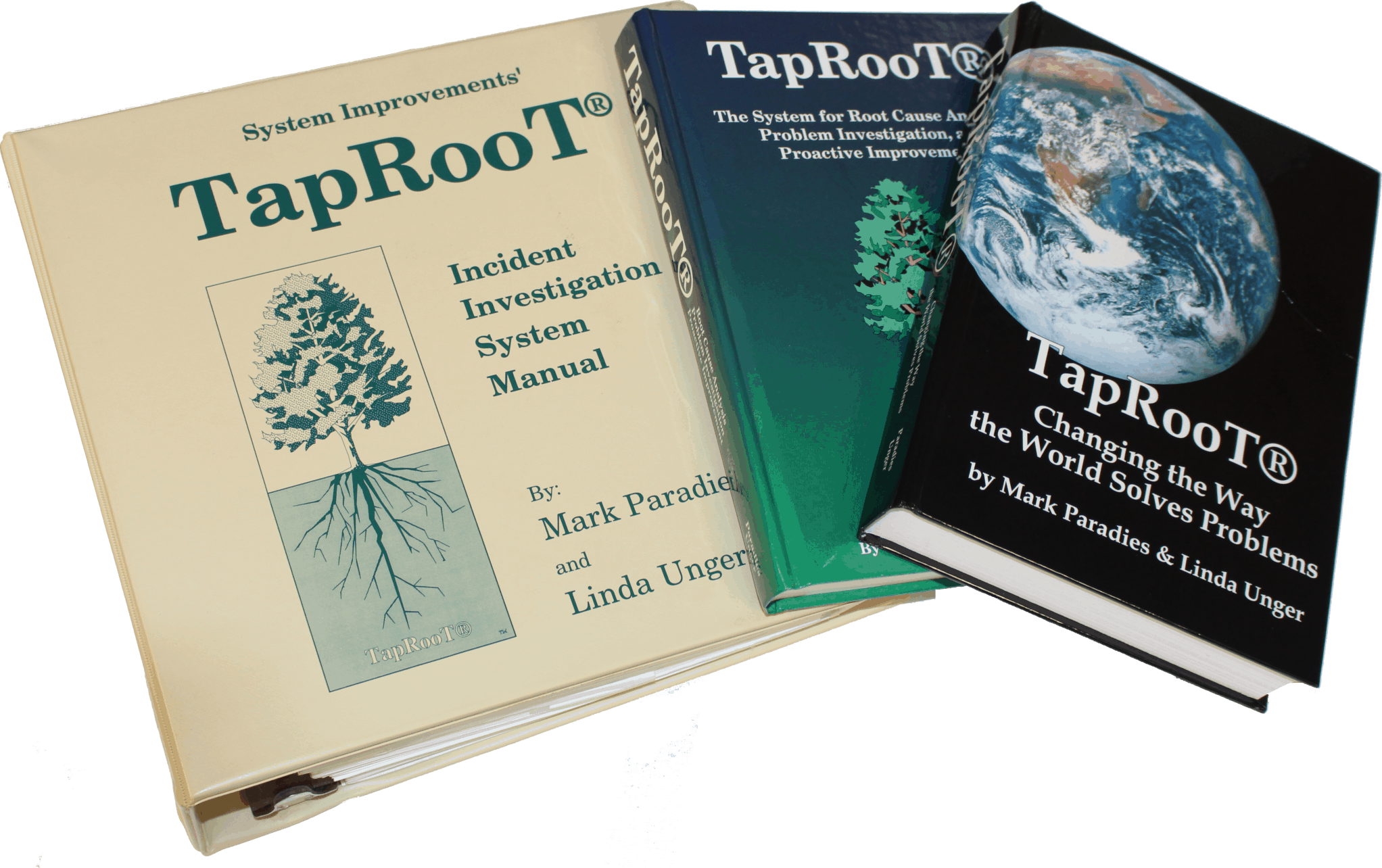
The TapRooT® System was designed to incorporate expert guidance for identifying the root causes of human performance issues. Later, the system was enhanced with the expertise of Heinz Bloch, a noted equipment reliability expert, to improve equipment troubleshooting and root cause analysis.
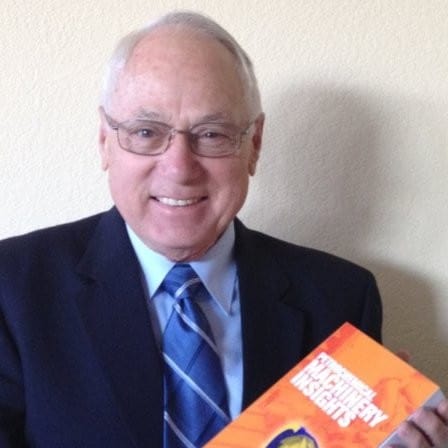
Also, hundreds of safety and quality professionals, TapRooT® Users and course participants, and industry professionals on the TapRooT® Advisory Board provided extensive ideas for improvement.

That continuous improvement helped System Improvement develop outstanding root cause analysis system documentation, training, and software.

The TapRooT® Software was the first root cause analysis software (development started in 1991). The software received two patents from the US Patent and Trademark Office and industry awards. A new feature, coming soon, applies AI strategically as an optional aid to help TapRooT® Users improve their investigations and reduce the time spent on mundane tasks. The AI Assistant aids the investigator without promoting blind acceptance of AI suggestions.
What About the BS?
You might notice that some people designing root cause analysis tools don’t have real expertise in human factors, high-reliability organizations, and equipment reliability needed to design best-in-class systems. They claim to be experts but lack the expertise. They make statements without proof. They claim to be the “BEST” but can’t back it up. They use complex-sounding terminology to fool you into thinking that complexity means superiority. In other words, they’re selling you a bill of goods.
What is a bill of goods? AI says:
“A bill of goods originally refers to an itemized list or manifest of items being shipped or sold. However, it is almost exclusively used in the idiom “sell someone a bill of goods,” which means to deceive, trick, or swindle someone into believing or buying something worthless.”
That’s why we think you need to avoid buying substandard root cause analysis masquerading as the “best” solution. You need the best solution for business-critical problem-solving.
If you would like to see the proof of how TapRooT® Root Cause Analysis helps leading companies improve performance, CLICK HERE for multiple Success Stories.
Learn More About TapRooT® RCA
The best way to learn more about TapRooT® Root Cause Analysis is to attend TapRooT® Training. Learn more about our courses HERE. See the dates and locations of our courses being held around the world HERE. And don’t forget that our courses come with a guarantee:
Attend a course. Go back to work, and use what you have learned to analyze accidents, incidents, near-misses, equipment failures, operating issues, or quality problems. If you don’t find root causes that you previously would have overlooked, and if you and your management don’t agree that the corrective actions that you recommend are much more effective, just return your course materials, and we will refund the entire course fee.
Next, learn even more at the Global TapRooT® Summit. Participate with industry leaders sharing best practices. Hear inspiring Keynote Speakers. And build new contacts to expand your professional network. CLICK HERE for more Summit Information.
Don’t fall for BS. You can’t afford a substandard root cause analysis system. You need the TapRooT® Root Cause Analysis System, which is changing the way the world solves problems.