Is Your Safety Program Successful, or Have You Been Lucky?
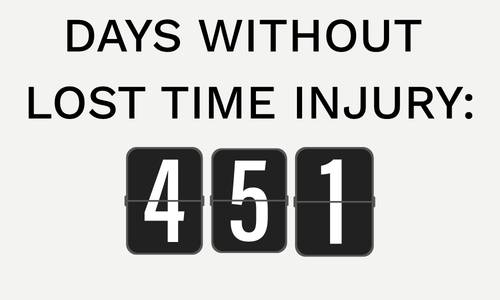
What indicates a successful safety program? If we took a quick poll, we’d probably hear answers like these:
- No lost-time incidents
- Fewer injuries
- Fewer near misses
- No fatalities
Those are certainly outcomes we want. But how much do they really tell us about our safety program’s effectiveness?
A year without a serious injury doesn’t necessarily mean the hazards are under control. And fewer reported near misses may mean fewer events are occurring, or that employees have stopped reporting them.
The absence of an incident isn’t proof that your safeguards are working.
What Are Your Safety Metrics Really Telling You?
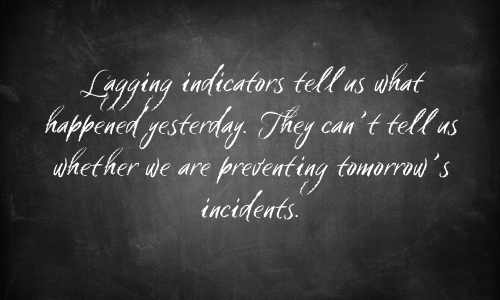
Injuries, fatalities, and other incident outcomes are lagging indicators. They tell us what has already happened. They can help us identify trends and evaluate performance over time, but they have limitations. A serious hazard can exist for months or years without causing a major incident.
Consider what happens after a workplace fatality.
An investigation team may spend weeks collecting evidence, interviewing witnesses, examining equipment, reviewing procedures, and trying to understand three fundamental questions:
- What happened?
- Why did it happen?
- What can we do to prevent it from happening again?
Now consider what might have been possible if the organization had identified and addressed the underlying problems before the fatality occurred.
Were there previous equipment failures? Near misses? Repeated procedural difficulties? Did employees raise concerns about a particular task? These may have been opportunities to learn and avoid tragedy.

Investigate Precursor Incidents Before They Become Major Investigations
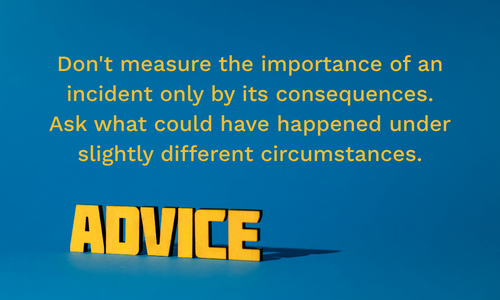
A precursor incident is an event that could lead to a more serious incident under different circumstances.
Think about a dropped object that narrowly misses an employee, an equipment failure that doesn’t result in an injury, or a safeguard that fails when no one happens to be exposed. The consequences may be minor, but the underlying problems deserve attention.
Companies that investigate these events can identify root causes and implement corrective actions before someone is seriously injured. That’s where proactive use of TapRooT® Root Cause Analysis can make a difference.
Instead of waiting for a major incident to reveal weaknesses in your work systems, you can use TapRooT® to investigate precursor incidents, recurring problems, and other warning signs. You can also use TapRooT® proactively to evaluate potential problems before an incident occurs. The goal is to identify and correct weaknesses while you still have the opportunity to prevent harm.

How to Define a Successful Safety Program
Along with tracking incident outcomes, consider what your organization is doing to identify hazards, learn from problems, and strengthen safeguards.
Ask questions like these:
- Are employees reporting hazards and near misses? (And maybe more importantly, how are they treated when they do?)
- Are we investigating precursor incidents?
- Are we identifying root causes rather than stopping at human error?
- Are corrective actions being implemented?
- Are we verifying that corrective actions actually work?
- Are we using what we learn from investigations to identify similar problems elsewhere in the organization?
These activities provide a more complete picture of your safety program. After all, a company can go a year without a serious injury and still have significant uncontrolled hazards. The real question is whether your organization is becoming safer because of the work you’re doing.
Build Proactive Investigation Skills With TapRooT® RCA
TapRooT® Root Cause Analysis can help your organization move beyond reacting to incidents and begin identifying and correcting problems before they lead to serious consequences. Our 5-Day TapRooT® Advanced Root Cause Analysis Team Leader Training teaches participants how to investigate incidents, identify root causes, and develop effective corrective actions. Participants also learn how to apply TapRooT® proactively to prevent problems.
View upcoming TapRooT® courses worldwide.
A successful safety program does more than count incidents. It looks for warning signs, investigates problems, identifies root causes, and takes action before someone gets hurt. Measure your safety program by what you’re doing to prevent incidents, not only by the incidents that haven’t happened.