After a Suspected Worksite Suicide: Response, Support, Investigation

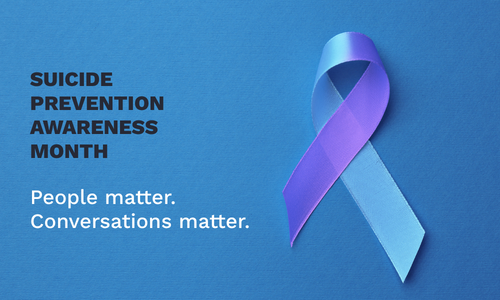
September is National Suicide Prevention Awareness Month, an important reminder that suicide prevention belongs in workplace safety conversations. Companies can take proactive steps to support psychological safety, recognize when someone may be struggling, and connect employees with appropriate resources. But workplaces also need to be prepared for the possibility of investigating a suspected suicide at a worksite.
How an organization responds in the hours and days following a workplace fatality matters. Employees may be grieving, confused, angry, or looking for answers. At the same time, you must protect the scene, communicate carefully, support affected workers, and allow the facts surrounding the fatality to be established.
This article looks at two important responsibilities following a possible suicide at a worksite: crisis response and investigation.
Crisis Response for a Possible Suicide
People respond to a workplace death in different ways. Someone who barely knew the person may be deeply affected. A close coworker may appear composed. Others may experience grief, anger, confusion, guilt, or fear. There is no single way people respond to a traumatic loss.
Exposure to a suicide can also affect people who may already be vulnerable. This is one reason the response and support provided after a suicide is considered part of suicide prevention.
Management’s immediate priorities should include protecting people, coordinating with the appropriate authorities, supporting affected employees, and communicating accurately and respectfully.
Your company’s crisis response plan should consider the following:
- Activate your emergency response procedures and contact the appropriate emergency, law enforcement, and other authorities as required by the circumstances and your jurisdiction.
- Protect the scene. Keep unauthorized people away and avoid disturbing potential evidence until the appropriate authorities release the area.
- Follow applicable workplace fatality reporting requirements. In the United States, employers must report a work-related fatality to OSHA within eight hours.
- Coordinate family notification with the appropriate authorities. Do not allow employees or organizational communications to inadvertently notify family members through unofficial channels or social media.
- After appropriate notifications, provide employees with accurate information without speculation or unnecessary details about the death.
- Communicate respectfully. Avoid sensationalizing the event, speculating about motive, or repeating rumors about the person who died.
- Protect the privacy of the deceased and their family while recognizing employees’ need for timely and accurate information.
- Offer practical assistance to the family when appropriate, including coordinating the return of personal belongings.
- Make mental health and crisis resources readily available to employees and communicate clearly about how to access them.
- Be visible and check in with employees. Some people may need support immediately. Others may not react strongly until later.
- Pay particular attention to employees who were close to the person, witnessed the event, discovered the person, responded to the scene, or were otherwise significantly affected.
- Prepare for reactions that may occur later. Anniversaries, memorials, work activities, or other reminders can bring grief back to the surface.
A thoughtful crisis response cannot eliminate the pain associated with a workplace death. It can, however, help reduce additional harm, support healthy grieving, and connect people who need additional help with appropriate resources.

Investigation
When a fatality occurs at work, investigators need to understand what happened without deciding the answer before the investigation begins. That is particularly important when suicide is suspected.
Rumors may begin quickly. Someone may remember that the employee seemed depressed. Another person may recall a difficult conversation. Coworkers may begin connecting events after the fact and develop a story that seems to explain what happened. Those observations may be important evidence, but they are not, by themselves, a conclusion.
Suicide is complex and is rarely attributable to one circumstance. Similarly, the presence of a mental health condition does not establish why a particular workplace fatality occurred.
A TapRooT® Investigator would approach a possible suicide investigation with the same disciplined process used for other serious incidents:
- Plan the investigation using a SnapCharT® Diagram. What information is known? What still needs to be collected?
- Collect the information and evidence identified during planning and add relevant information to the SnapCharT® Diagram.
- Review the SnapCharT® Diagram and identify Causal Factors: mistakes, errors, or equipment failures that led to the fatality.
- Analyze each Causal Factor using the Root Cause Tree® to identify root causes.
- Develop effective Corrective Actions using SMARTER and the Corrective Action Helper®.
- Document and report the findings.
A structured process is especially important when emotions are high, and people believe they already understand what happened. Investigators should resist the temptation to begin with a conclusion and then look for information that supports it.
For example, learning that someone was experiencing depression does not establish that depression caused the fatality. A person may also have been fatigued, distracted, inadequately trained, exposed to a poorly designed work system, affected by equipment problems, or operating under other conditions relevant to the event.
The investigation should always follow the evidence.

Additional Considerations for Investigating a Possible Suicide
Determining the official manner and cause of death is the responsibility of the appropriate medical and legal authorities, not the workplace investigation team. Workplace investigators can still collect information relevant to understanding what occurred and identifying conditions within the organization’s control.
Depending on the circumstances and legal authority to access the information, relevant evidence may include:
- physical evidence from the scene.
- equipment condition and configuration.
- photographs or video.
- electronic or digital records relevant to the event.
- procedures, permits, work instructions, and other documentation.
- witness interviews.
- statements or communications that may help establish the person’s actions or intent.
- information about workplace conditions preceding the event.
- evidence of changes, unusual circumstances, or events that may have affected the work.
- other information requested or obtained in coordination with law enforcement, the medical examiner or coroner, or other appropriate authorities.
Investigators should be particularly careful about privacy when reviewing personal or sensitive information. Limit access to information the company is legally authorized to obtain and that is relevant to the investigation. The goal is not to diagnose the deceased or determine their state of mind based on speculation but to understand what happened and identify workplace conditions that can be improved.
If the investigation identifies workplace factors such as bullying, excessive job strain, ineffective supervision, inadequate safeguards, poor work design, or uncontrolled access to hazards, those findings should be evaluated and addressed regardless of how the death is ultimately classified.
Prevention, Intervention and Postvention
Suicide prevention does not begin when a crisis occurs. Workplaces can help create environments that support mental health, reduce unnecessary job strain, encourage people to seek help, train managers and employees to recognize when someone may need support, and make crisis resources easy to access.
Companies should also plan for postvention before it is needed. Having policies and responsibilities established in advance can help leaders respond more thoughtfully during an extraordinarily difficult event.
Prevention, intervention, and postvention are different parts of the same responsibility: creating a workplace where people can speak up, get help, and be supported when difficult things happen.
Resources
If you are looking to strengthen your approach to workplace suicide prevention and postvention, you can find guidance through:
- The National Action Alliance for Suicide Prevention’s workplace resources and Comprehensive Blueprint for Workplace Suicide Prevention.
- A Manager’s Guide to Suicide Postvention in the Workplace, available through the National Action Alliance for Suicide Prevention and the Suicide Prevention Resource Center.
- OSHA’s workplace mental health and suicide prevention resources.
- CDC’s suicide prevention resources.
- The 988 Suicide & Crisis Lifeline.
If you or someone you know is struggling or in crisis, call or text 988 or use the 988 Suicide & Crisis Lifeline chat for free, confidential support.
Suicide prevention is part of workplace safety. Responding compassionately after a loss is part of it, too. And when a fatality occurs at work, a thorough, evidence-based investigation can help a company understand what happened and identify improvements that may help prevent another tragedy.