The Problem With “Common Sense”: A Human Factors Perspective
Have you ever struggled to figure out how to operate something that someone else said was perfectly intuitive? Human factors helps explain why what seems like common sense to one person can confuse another.
I was in Amsterdam recently, and I learned that something as ordinary and common-sense as buying groceries could be confusing. I stopped at a store and decided to use the self-checkout. I’ve used self-checkout machines forever, so I figured I knew what I was doing, right?
I didn’t.
For starters, the instructions were (obviously) in Dutch – and the first instruction offered two selections, which I guessed at. Then I debated whether to use my reusable shopping bag (hmmm… maybe that was what the two selections were about?). When I shop in Chicago, I bring my own bags, but I wasn’t sure how this particular self-checkout system would handle one. Would placing my bag in the bagging area trigger an alert because the machine thought I’d put an unscanned item there?
Fortunately, it didn’t. I placed my bag down, scanned my groceries, and completed my purchase. But I made a big mistake… I tossed my receipt. I didn’t realize I needed to keep it because I would have to scan it to exit the self-checkout area.
Think about that for a moment. I had paid for my groceries and completed the transaction. As far as I was concerned, I was finished and free to leave… but the system expected something else.
I’m sure the process made perfect sense to people who shopped there regularly. They knew what to do with their bags, understood the checkout instructions, and knew to keep their receipts. I was approaching the same system with a different set of experiences and expectations.
And that’s when something occurred to me. When we say a design is common sense, whose sense are we talking about?
Common Sense Isn’t as “Common” as We Think
We often assume that a process is intuitive because it makes sense to us. We understand the sequence, recognize the signals, and know what to do next, but much of what we consider common sense is actually learned through experience.
I knew how self-checkout worked in Chicago. I didn’t know all the expectations of self-checkout in Amsterdam, and the difference mattered. This is one reason human factors matters.
Human factors is the science of designing systems and environments around how people actually function. It recognizes that people bring different experiences, capabilities, limitations, and expectations to the same task. When designers assume everyone will understand a process the way they do, they risk creating systems that work well for some people while creating unnecessary barriers for others.
Relying on common sense as a design strategy is a big problem. Common sense assumes a shared understanding of the world… that people have similar experiences, notice the same information, interpret instructions the same way, and reach similar conclusions. Those assumptions often fall apart when we consider the enormous variability in how people function. What seems obvious to one person may confuse another. A process that feels simple to an experienced employee may overwhelm someone encountering it for the first time. Instructions that work beautifully for one person may create unnecessary difficulties for someone else.
The question we should be asking is: Intuitive to whom?

Having Information Available Isn’t the Same as Making It Usable
One of the most important distinctions in human factors is the difference between providing information and designing it so people can use it successfully. Imagine an employee who makes an incorrect decision during a task. An investigation reveals that the correct information was available in a procedure.
Maybe we should be more curious.
First, what information was actually available to the employee at the time? Was it accurate, complete, and up to date? Second, how was that information presented? Was it easy to find, understand, and apply while performing the task? Third, what conditions may have influenced the employee’s thinking? Were there distractions, fatigue, time pressure, competing demands, or other factors affecting decision-making?
These questions can reveal important weaknesses in work design. Providing information is not the same as designing it so people can use it successfully.

Good Design Reduces the Work People Must Do to Compensate
Cycling is part of life for me and many people where I live. Think about what a cyclist must pay attention to while riding through a busy Chicago neighborhood. Vehicles, pedestrians, intersections, drivers exiting parked cars, changing road conditions, and a million other things compete for our attention. Now add the challenge of figuring out where the bicycle route goes next and how to access the safest option.
Clear bike route signs and lanes help reduce that additional mental demand. Instead of constantly consulting a map or trying to remember directions, we can use information provided by the environment. The signs support navigation, allowing us to devote more attention to the demands of riding. That’s human factors in everyday life.
And the same principle applies at work.
When employees must constantly remember information, search for instructions, interpret confusing signals, or compensate for poorly designed tools, we increase the demands placed on their cognitive resources. Those demands can lead to errors, delays, frustration, and unnecessary effort. Good design reduces the compensation required of the person using the system.
Start Looking at the World Differently
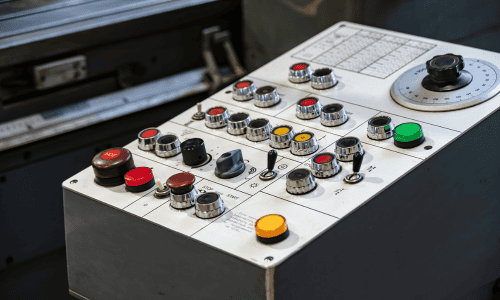
Here’s an exercise I encourage you to try. Over the next few days, pay attention to the environments, equipment, and systems you interact with. Notice when something feels unnecessarily difficult.
Maybe a sign is confusing or a process requires you to remember information that could easily be displayed. Maybe instructions assume knowledge you don’t have, or a tool requires more strength than some people can comfortably manage.
Then ask yourself:
Is this designed around how I actually function?
Think about how someone with different experiences, cognitive capabilities, physical abilities, or sensory needs might interact with the same design. Once you start looking at the world through a human factors lens, you notice how much effort people expend compensating for poor design. Consider how often employees are expected to make those same compensations.
When someone struggles with a task, the most useful question may be something very different from what we’re accustomed to asking. Instead of immediately asking what’s wrong with the person, perhaps we should begin by asking:
What about the work’s design makes success more difficult than it needs to be?
Learn to Look Beyond Human Error
Human factors are foundational to the TapRooT® Root Cause Analysis System because understanding why people make mistakes requires examining the conditions in which they work.
In our 2-Day TapRooT® Root Cause Analysis Training, you’ll learn a systematic approach to investigating incidents, identifying root causes, and developing effective corrective actions that address underlying problems. Register for 2-Day TapRooT® Training to look beyond human error, understand why incidents happen, and prevent them from happening again.