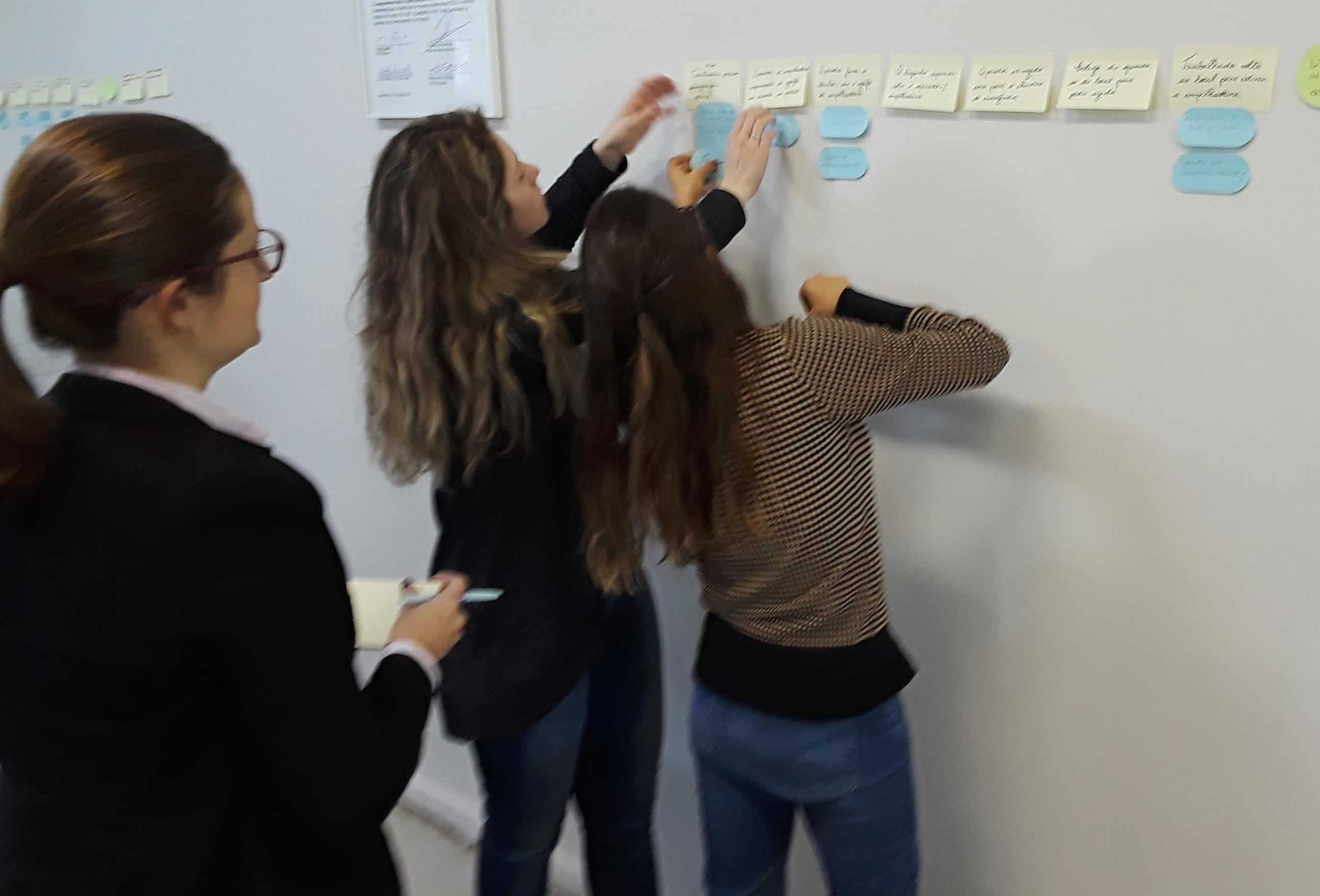
Courage is an Investigative Skill

When we talk about investigative skills, we focus on a lot of different tools, like evidence collection and identifying root causes. But, seldom do we really talk about character traits associated with good investigations, and the one I’m thinking about is courage.
Underneath skill, training, and knowledge are human beings, and fear affects both sides of the conversation.
Workers need courage to speak honestly about mistakes, uncertainty, workarounds, pressures, and things they notice but don’t say. Investigators need the courage to listen, stay open when information challenges their assumptions, and follow the evidence wherever it leads, even when it’s uncomfortable.
Real learning requires good technical skills, but there has to be enough trust existing for people to stay honest, curious, and open to the truth. A worker may technically know what happened but not feel safe enough to say it. An investigator may suspect the system contributed, but not feel comfortable pursuing that line of questioning.
Courage expands or contracts based on the environment or culture around it. Systems either create conditions where honesty is possible… or where self-protection becomes necessary.

How Systems Shape Courage and Honesty
Developing courage in investigations does not happen through slogans or policies alone. It develops through repeated experiences where people tell the truth and are treated fairly afterward. Every interaction either strengthens or weakens that trust.
Investigators can help develop courage by responding calmly to difficult information, asking questions without accusation, and showing genuine curiosity instead of rushing to judgment. Workers watch closely for signs of blame, defensiveness, or predetermined conclusions. When people feel heard rather than cornered, honesty becomes more likely.
Leaders also shape courage through what they reinforce. If reporting problems leads to embarrassment, punishment, or being ignored, people learn to protect themselves. When concerns are acknowledged, investigated fairly, and used to drive improvement, people become more willing to speak up again in the future.
Courage also grows when investigators are willing to examine system weaknesses with the same seriousness they examine individual actions. It takes courage to ask whether procedures were usable, whether staffing was realistic, whether conflicting priorities existed, or whether workers were placed in situations where success depended on adaptation and workarounds.
Over time, cultures are shaped by thousands of these moments. People learn whether investigations are truly about learning or simply about locating fault. The answer to that question determines how much truth an investigation will ever uncover.
If we want investigations that lead to real learning, we need investigators who can combine technical skill with curiosity, fairness, and the courage to follow evidence where it leads. TapRooT® Root Cause Analysis Training helps investigators strengthen evidence collection, interviewing, and analytical skills that support deeper, more honest investigations.