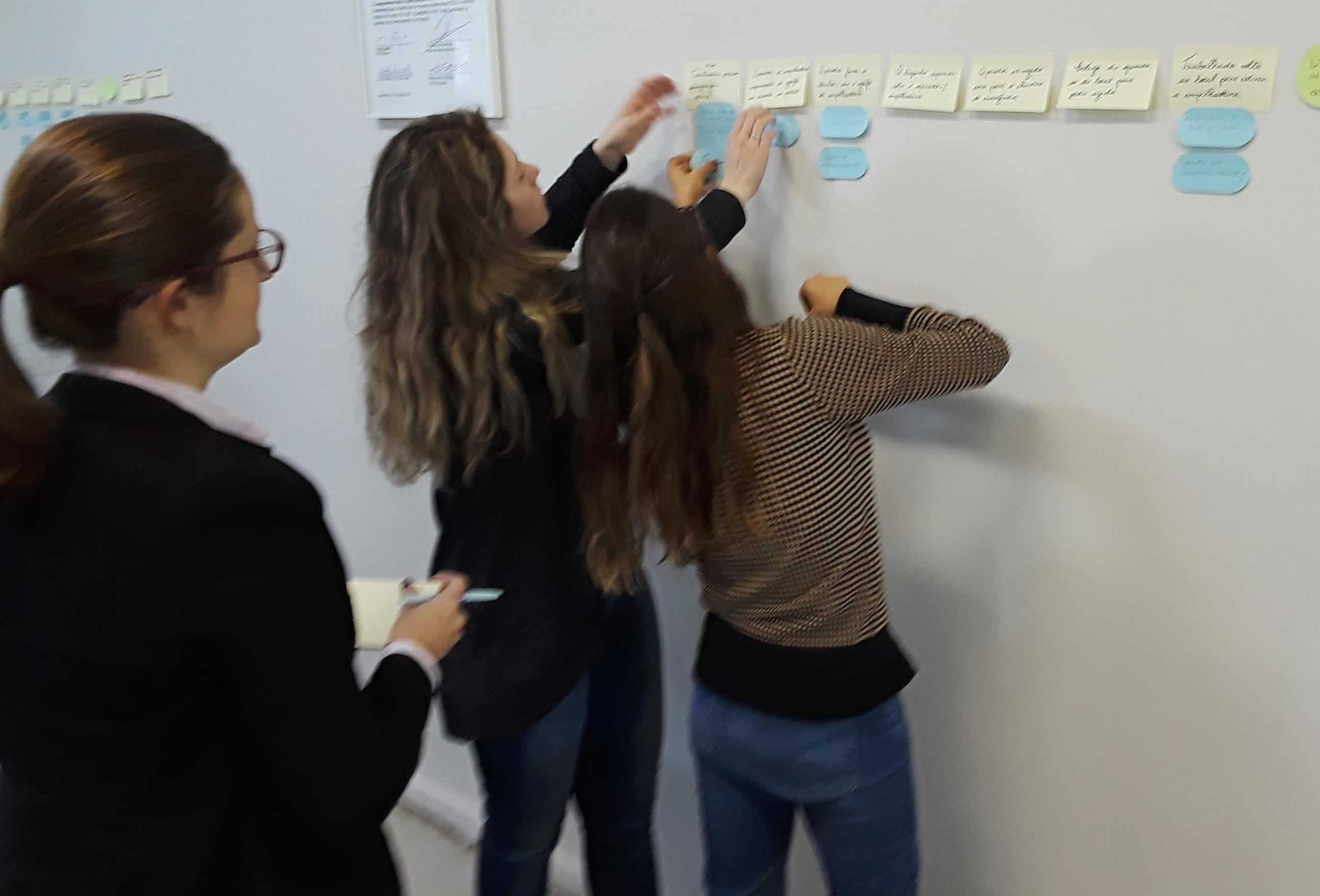
Witness to Change: Women Transforming the RCA Landscape

When I started working at System Improvements in 2006, the field was noticeably male-dominated, particularly in high-risk sectors like oil and gas, manufacturing, and utilities. That wasn’t a reflection of the capability of women, just the reality of who had access and visibility in those roles at the time.
Over the years, I’ve watched the landscape change. Today, women are not only more represented in RCA, they’re leading investigations, shaping safety culture, and advancing the practice in meaningful ways. It’s not surprising. It’s overdue, and it’s strengthening the field.
From One Voice to Many
In those early days, investigation teams often shared similar perspectives, communication styles, and even ways of processing information. That cognitive sameness limited how deeply issues were explored, especially in areas like human performance and communication breakdowns, where nuance matters. Over time, I’ve seen investigation teams evolve to include not just more women, but also a broader range of thinking styles. That neuroinclusion is transforming the quality of our insights.
- Women often approach investigations with a sensitivity to context, asking not just “what went wrong,” but “what environment made this possible?”
- Female investigators naturally create psychologically safer environments during investigative interviews and invite more collaboration.
- Women often bring a heightened awareness of workload balance, fatigue, design flaws, and the burdens of multitasking.
As more women entered the field, they brought valuable perspectives that had been underrepresented. Not as a novelty, but as part of building teams that better reflect the complexity of the real world we’re investigating.
Why Change Happened
I think several factors helped accelerate this shift:
- More women have entered STEM, safety, and quality roles over the past two decades.
- Organizations have recognized the value of diverse, collaborative investigation teams.
- TapRooT® RCA itself, with its structured, logic-based tools, naturally supports inclusion by focusing on facts and analysis over authority or assumption.
This isn’t about one group replacing another. It’s about expanding who gets to be at the table and making the table better for it. Root cause analysis is collaborative by nature. It benefits from many lenses, many voices, and many kinds of expertise.
Looking Ahead
As more women step into RCA roles, we should be asking: how do we support this momentum?
- Continue to offer mentorship and leadership opportunities.
- Feature diverse voices in case studies, conferences, and training.
- Keep building investigation cultures that prioritize learning, not blame.
The field of root cause analysis is stronger when it reflects the people it serves: diverse industries, diverse teams, and diverse perspectives. I’ve seen this shift happen firsthand, not just in gender representation, but also in how we value and integrate neurodiverse ways of thinking into incident investigations and problem-solving.

Women in TapRooT®
Last year, we held our first-ever Women in TapRooT® gathering at the Global TapRooT® Summit. It was about connection, leadership, and building a shared vision for the future of root cause analysis.
The conversations were honest, insightful, and empowering. We talked about navigating male-dominated industries, mentoring the next generation, and how diverse perspectives are not just welcome but essential to strong investigations.
This year, we’re bringing it back, and we’d love for you to be part of it.
Whether you’re new to TapRooT® RCA or a seasoned incident investigator, the Women in TapRooT® event is your space to connect, learn, and lead alongside peers who are shaping the future of RCA. Join us at the 2025 Global TapRooT® Summit to keep the momentum going.
Now, in this last season of my career, I find it meaningful to reflect on how far the field and the people in it have come. The evolution of root cause analysis, especially in who’s leading the work, has made the process stronger, more inclusive, and better equipped for the future. It’s been a privilege to witness that change firsthand and to play a small part in it. I’m looking forward to what’s next.