The Five Stages of Change in Safety Improvement

Last week, I wrapped up my keynote, “Making Improvements Happen,” at the 2025 Global TapRooT® Summit, Knoxville, Tennessee. Every improvement requires some element of change. Now that the lights are off and the notes are packed away, I keep thinking about the core message I hoped everyone would take home: Change isn’t one giant leap. It’s a series of small, deliberate steps that turn good ideas into lasting improvements.
The Five Stages of Change
Many people walk away from conferences full of energy and excitement, only to feel that spark fade to black once they’re back in the day-to-day. It’s not because they don’t care, it’s because change is hard. That’s why my keynote focused on the science of change and how to move ideas from inspiration to successful implementation.
Following is a snapshot of what we learned about the Five Stages of Change.
Stage 1: Precontemplation – “We don’t see the problem yet.”

Change starts by recognizing what needs to improve and why it matters. For safety leaders, this might mean identifying hidden risks or the cultural habits that keep reporting precursor incidents low.
Stage 2: Contemplation – “We know something needs to be done.”

This is where teams weigh the effort against the reward. The key is to connect emotionally to purpose, to people, and to the belief that improvement is worth the discomfort.
Stage 3: Preparation – “We’re getting ready to do it.”

This is where good ideas die or take root. Planning, assigning roles, and identifying obstacles is the link between knowing and doing.
Stage 4: Action – “We’re doing it.”

This is where habits, communication, and leadership matter most. Consistency, not intensity, drives sustained progress.
Stage 5: Maintenance – “We’re keeping it going – this is who we are now.”

Sustaining improvement means building systems that make the right thing the easy thing. It also means reconnecting to why the idea mattered in the first place.
Making Change Stick
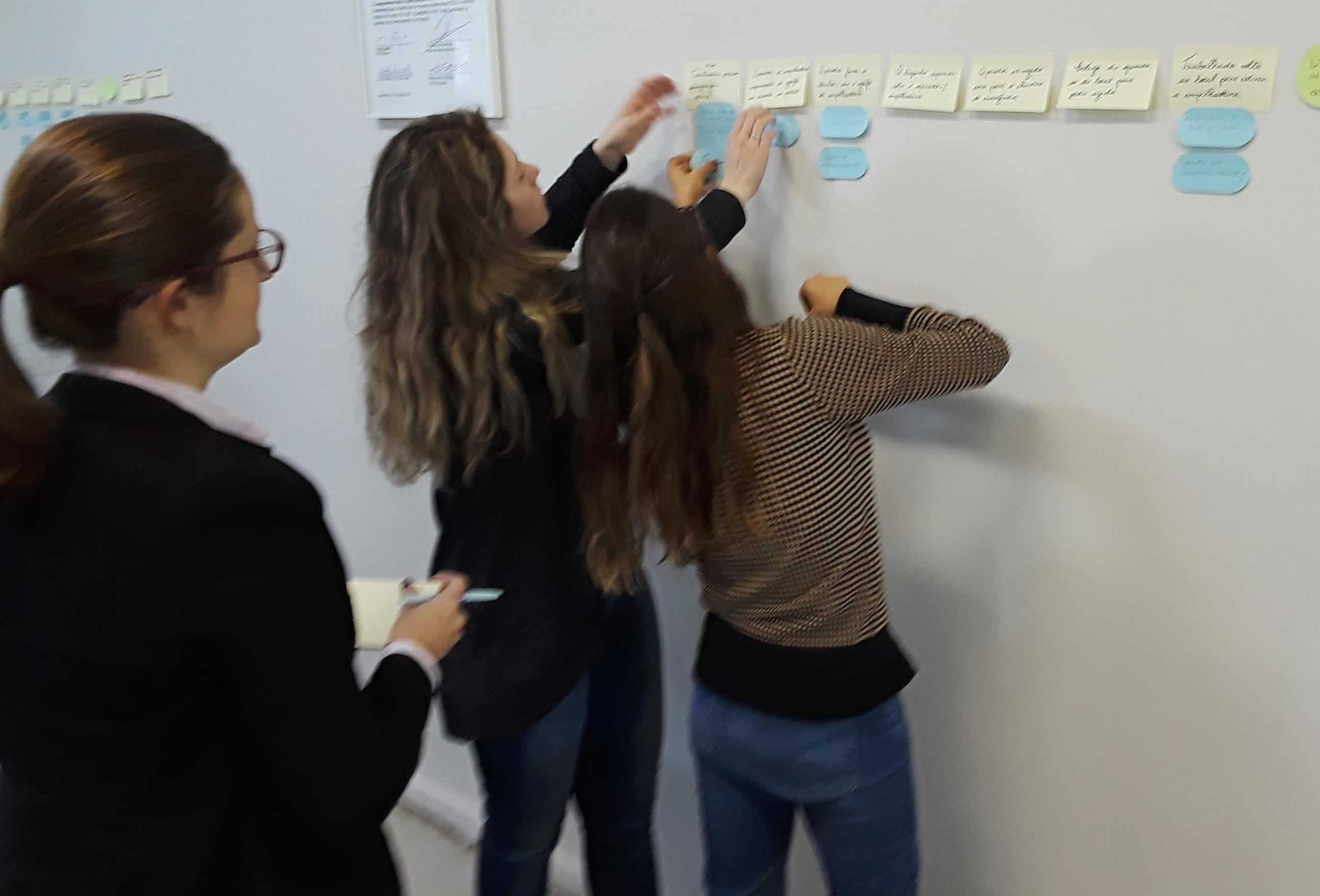
One of my favorite moments from the keynote was when attendees took a few minutes to write down what action they would take and when they’d do it. Then, they blocked time on their calendars to make it real.
If you left the Summit (or missed it entirely) and are ready to carry your improvement ideas forward, ask yourself:
- What improvement do I most want to see in my workplace?
- What small step can I take this week to move it forward?
- What habit or system can I create to keep the momentum going?
The bridge from idea to impact isn’t a leap; it’s a series of deliberate steps. Improvements happen because we make them happen. They happen when we move from inspiration to structure, when ideas meet systems, and motivation meets follow-through. The goal of any improvement is not to complete a checklist, but to make it part of who we are as an organization.
We can help you with that. Schedule a free Executive Briefing.