Consequences of Substandard Root Cause Analysis
What Should Root Cause Analysis Do for You?
The most effective use of root cause analysis is to find and fix the root causes of precursor incidents to prevent major accidents (SIFs and other serious issues).
What is a Precursor incident? Here is an example of a serious precursor incident…
Here is a definition of a precursor incident…
PRECURSOR INCIDENT
Minor incidents that could have been a major accident
if one or two more Safeguards would have failed.
What is a safeguard? Here is our pictorial example…

How does that result in a precursor incident? When one or more safeguards fail, but a single safeguard (or luck) prevents a major accident.

What could a precursor incident be a precursor to?
- a fatality
- a major injury
- an environmental disaster
- the loss of a major customer (quality issue near-miss)
- a major financial loss
Is stopping a fatality, a major injury, an environmental disaster, the loss of a major customer, or a major financial loss worth the effort of performing an accurate and effective root cause analysis and implementing effective corrective actions? Most managers would say … “YES!”
Thus, effective root cause analysis should prevent serious incidents by helping you develop effective corrective actions for precursor incidents.
Why Do We Still Have Major Accidents?
There are many reasons, but here are some of the main ones:
- Precursor incidents aren’t recognized or reported.
- Substandard root cause analysis techniques are used to find the root causes of the precursors.
- Weak corrective actions are recommended to stop future incidents.
- Corrective actions aren’t implemented.
- Lessons learned are forgotten.
Since the consequences of substandard root cause analysis are the topic of this article, let’s explore this reason why major accidents continue to occur.
Substandard Root Cause Analysis
What is substandard root cause analysis? Anything that claims to be root cause analysis that doesn’t lead investigators to the real root causes of human performance and equipment reliability issues. Also, a good root cause analysis system will help investigators develop effective corrective actions.
What root cause systems fail this test? I know I will cause considerable consternation when I say these root cause analysis systems are substandard:
- 5-Whys
- Fishbone Diagrams
- Cause-and-Effect
- Many (if not all) homegrown root cause lists
- Brainstorming
Why do these techniques and many others fail? Read THIS ARTICLE to find out.
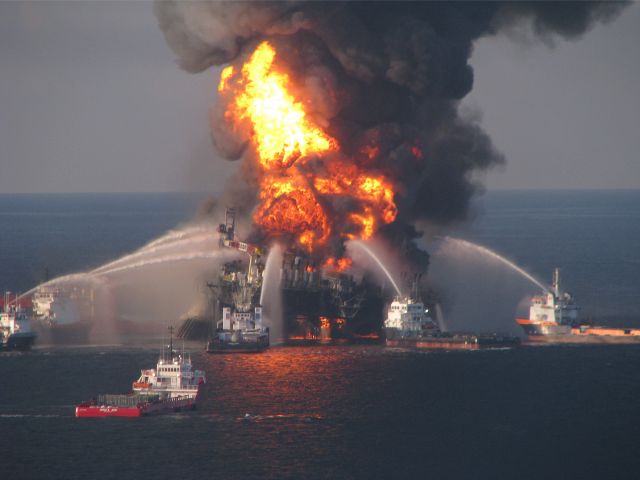
An example of substandard root cause analysis contributing to a major accident is the 2005 explosion at the BP Texas City Refinery.

The post-incident “Baker Report” said that:
“…BP has not instituted effective root cause analysis procedures to identify
systemic causal factors that may contribute to future accidents.”
Thus, effective corrective actions for previous precursor incidents were not implemented, and the explosion and fire at the refinery were not prevented.
Thus, if your people apply substandard root cause analysis, they might THINK they are finding root causes, but the uncorrected root causes that the investigators miss will come back to haunt them when the problems cause a fatal accident. And that is the consequence of substandard root cause analysis.
Going Beyond Substandard Root Cause Analysis
Would you like to learn how to go beyond substandard root cause analysis? How to achieve root cause analysis excellence? Then you should consider attending a TapRooT® Root Cause Analysis Course. See all the courses HERE. See the dates and locations of the guaranteed, public TapRooT® RCA Courses being held around the world HERE. And get a better idea about why TapRooT® Root Cause Analysis is so effective by reading THIS.

Don’t wait. Upgrade from substandard root cause analysis to an effective system that will help you prevent major accidents by investigating and fixing problems identified in precursor incidents.
If you would like to talk to someone about upgrading your root cause analysis, call an implementation advisor at 865-539-2139.

Learn Even More at the TapRooT® Summit
Learn even more about improving your root cause analysis at the 2027 Global TapRooT® Summit being held on April 5-9, 2027, at the Margaritaville Resort, Lake Conroe, Texas (just north of Houston). There is a whole track focused on improving your root cause analysis. See the topics covered HERE.