Are You Documenting Expectations or Improving Performance?

Investigations are supposed to help us learn and do better. They uncover what happened, why it happened, and identify ways we can change things to reduce risk in the future. But sometimes I see that investigations drift away from learning and become something else. Instead of learning from them, they turn into an exercise in documenting expectations.
How Investigations Become Documentation
Most investigations don’t start this way on purpose. The shift happens gradually when time pressure increases, and investigators are expected to close their reports within a certain timeframe. Getting the forms filled out on time replaces collecting evidence.
When this happens, you see a lot of “re” corrective actions:
- rewrite procedure
- retrain workers
- remind workers of the policy
- repost the rules
- review the checklist
These corrective actions may be needed, but they rarely keep problems from recurring.

The Difference Between Expectations and Evidence
Expectations describe how the work is supposed to happen.
Evidence describes how work actually happened.
When we focus on expectations, we tend to focus on where people deviated from the work plan. Evidence tells a different story. It shows us the conditions that influenced decisions, safeguards that failed, and the system weaknesses that allowed the incident to occur.
Without evidence, investigators often fill the gaps with assumptions and end up with weak corrective actions. The report is done, but the causes were not identified or fixed.
Signs an Investigation Has Shifted Toward Documentation
There are signs that an investigation is drifting away from learning. Investigations that shift toward documentation often:
- accept the first version of the story heard
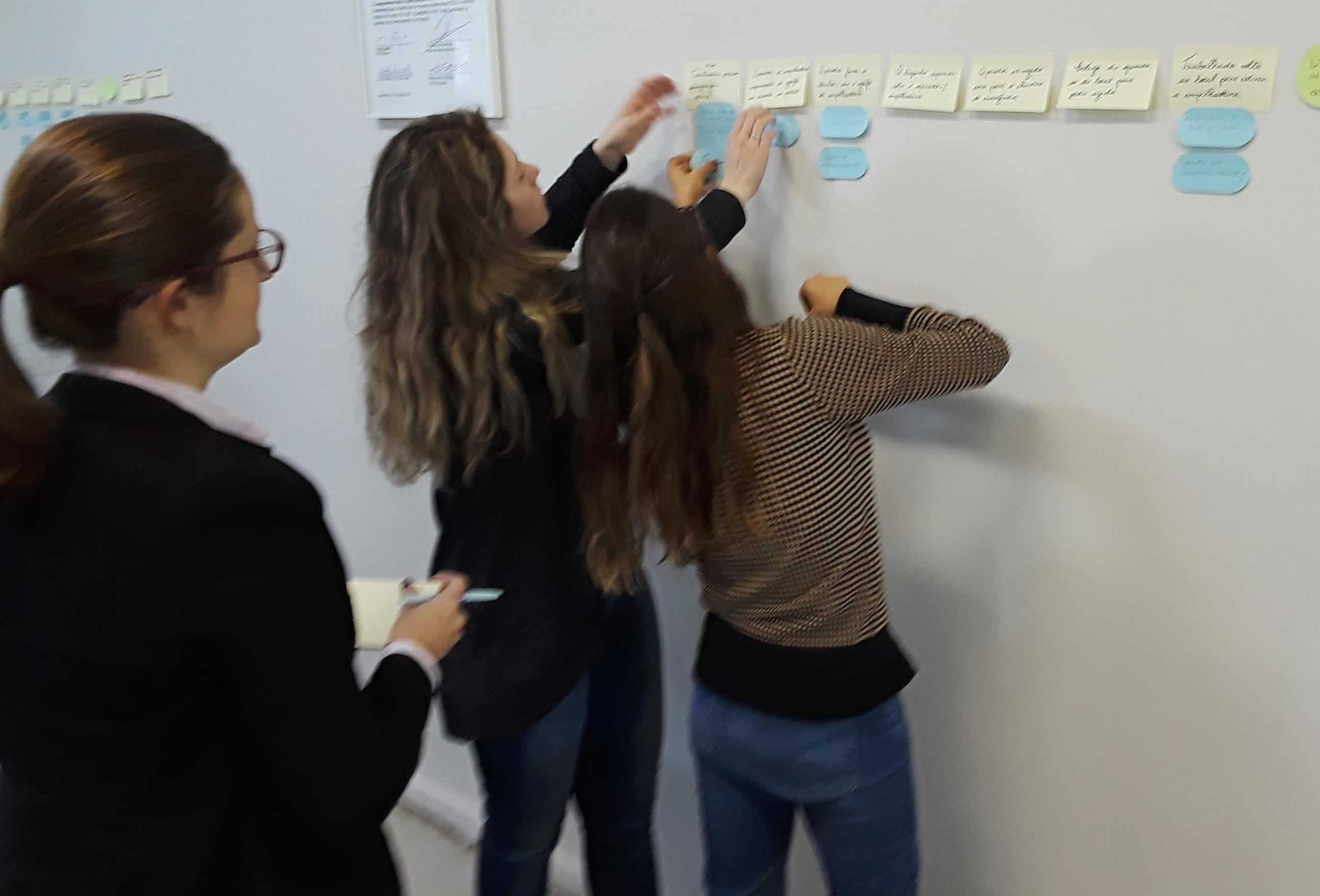
- assign root causes before the sequence of events is built on the SnapCharT® Diagram
- have little evidence on their SnapCharT® Diagram (little info from interviews, no photos or evidence of a site visit, no task-specific paperwork collected)
- have corrective actions as mentioned above
The incident caused a lot of paperwork activity, but failed to create improvement.

What Learning-Focused Investigations Look Like
Investigations that are learning-focused operate differently. They prioritize the collection of information before conclusions. They build a clear timeline of events using the SnapCharT® Diagram. They do a site visit, interview multiple people (workers, supervisors, experts), and add all of that info to the SnapCharT® Diagram to get a clear picture before determining what mistakes were made.
Instead of asking why someone deviated from a procedure, they ask what safeguards were missing, weak, or ineffective. They look closely at system conditions that influenced worker behavior.
There’s a big difference between documenting expectations and understanding performance within the real work environment. Learning from an investigation requires time, curiosity, and strong investigation skills.
Build Stronger Investigation Skills
Strong investigations don’t happen by accident. They require investigators who know how to collect evidence, ask better questions, and test conclusions before accepting them.
That’s exactly what the 5-Day TapRooT® Advanced Root Cause Analysis Team Leader Training is designed to develop.
Participants learn the TapRooT® 12-Step Interview Process, strengthen their evidence collection skills, and practice using the TapRooT® Root Cause Tree® to move beyond surface explanations. The course also explores how to use TapRooT® Root Cause Analysis proactively, helping organizations identify and correct system weaknesses before incidents occur.
If you want investigations that lead to real learning, stronger safeguards, and fewer repeat events, this training provides the structure and practice to make that possible.