Simple Investigation Shift That Delivered Measurable Safety Results

The TapRooT® SuperUser Group is a community of skilled TapRooT® RCA practitioners who come together each quarter to exchange solutions, best practices, and real-world success stories. During our most recent meeting, one SuperUser, Coil, shared an insight that immediately resonated with the group. His team’s simple shift in who they included on the investigation team has led to better RCAs, stronger corrective actions, and measurable improvements in safety performance.
The Challenge: The Process or Job Owners Can Find It Hard To Be Objective
Coil noticed a recurring issue during investigations. Senior management consistently asked for the process or job owner to be included as a core member of the investigation team. On the surface, it made perfect sense: if a lifting incident occurred, for example, why wouldn’t the lifting manager be directly involved?
But Coil’s teams kept seeing a problem.
Process and job owners were often emotionally invested in the work. They had built the procedures, trained the employees, and carried the responsibility for getting the job done. That investment sometimes created defensiveness. Their instinct was to protect their team, their work, or the way things had always been done.
This made it difficult for investigators to objectively examine the process, identify weaknesses, or challenge assumptions. Critical opportunities for learning were getting lost.
The Solution: Use The Process or Job Owners as Subject Matter Experts, Not Investigators
Recognizing the pattern, Coil and his team brought their concerns to senior management and proposed a change:
Process and job owners should participate as subject matter experts, not as investigation team members.
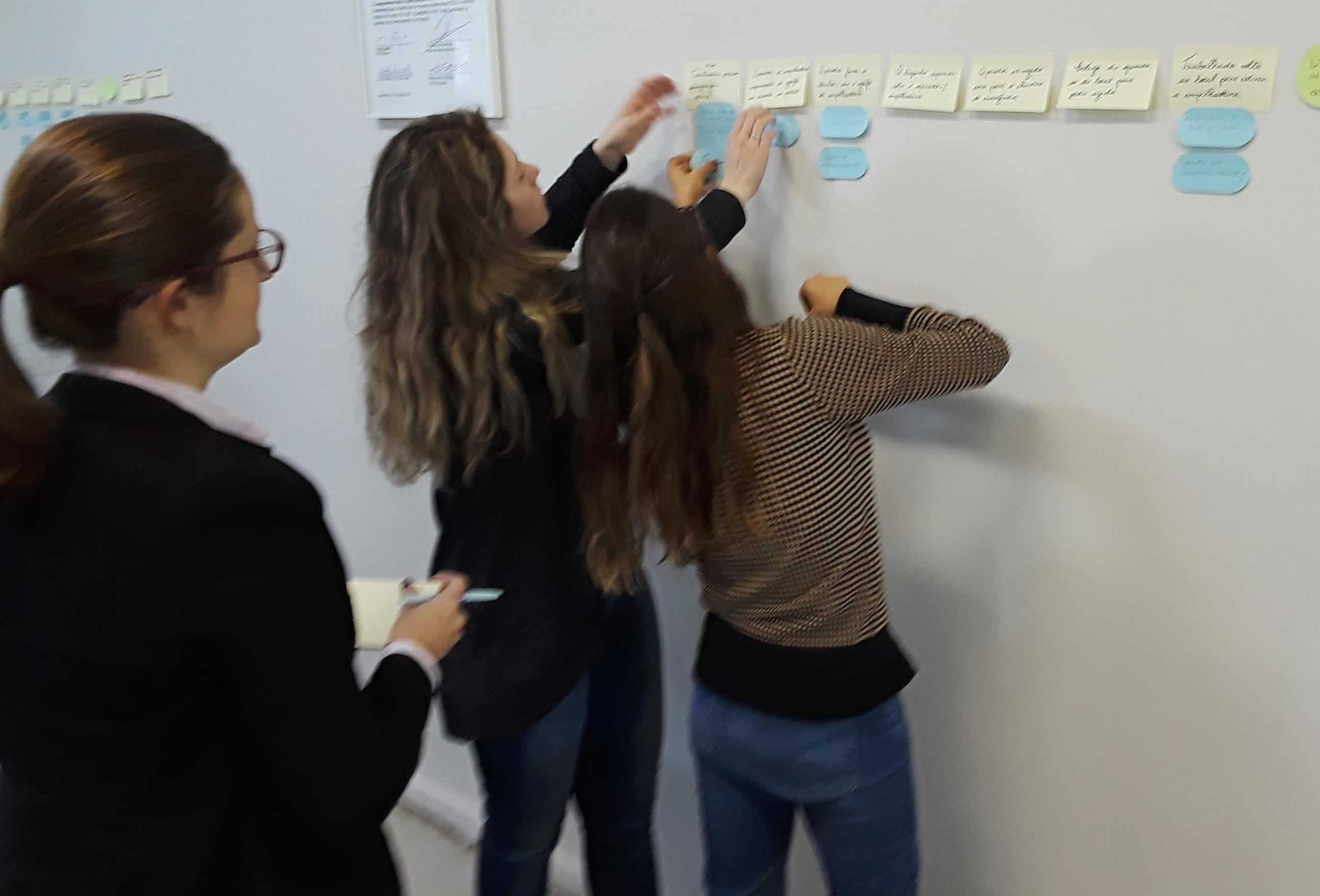
Instead of sitting on the core team, they would be interviewed and their knowledge captured on the SnapCharT®, but they wouldn’t influence the analysis in real time. This allowed investigators to follow the evidence without pressure, emotion, or unintentional bias.
Management agreed, and the shift was immediate.
The Impact: Better Evidence, Better Corrective Actions, Better Outcomes
With this adjustment, the investigation teams quickly saw:
- More objective data collection
- Stronger evidence feeding into the RCA
- Corrective actions focused on system improvements, not blame
- Greater acceptance from process owners
Because the resulting corrective actions supported and strengthened the processes rather than tearing them down, job and process owners became more receptive to change. Investigators could pinpoint exactly where the system broke down and fix it without finger-pointing or defensiveness getting in the way.
And the results speak for themselves.
A Measurable Safety Win
In 2024, Coil’s company’s Total Recordable Incident Rate dropped to 0.16. That matched their previous all-time best, even though their activity level had increased in 2024.
That kind of improvement doesn’t happen by accident. It comes from disciplined investigation practices, strong leadership support, and a commitment to continuous improvement.
Coil and his teams are literally saving lives.
If you’d like to learn more about how TapRooT® Root Cause Analysis can help your organization achieve similar results, reach out to me anytime at Marcus@taproot.com or visit taproot.com.