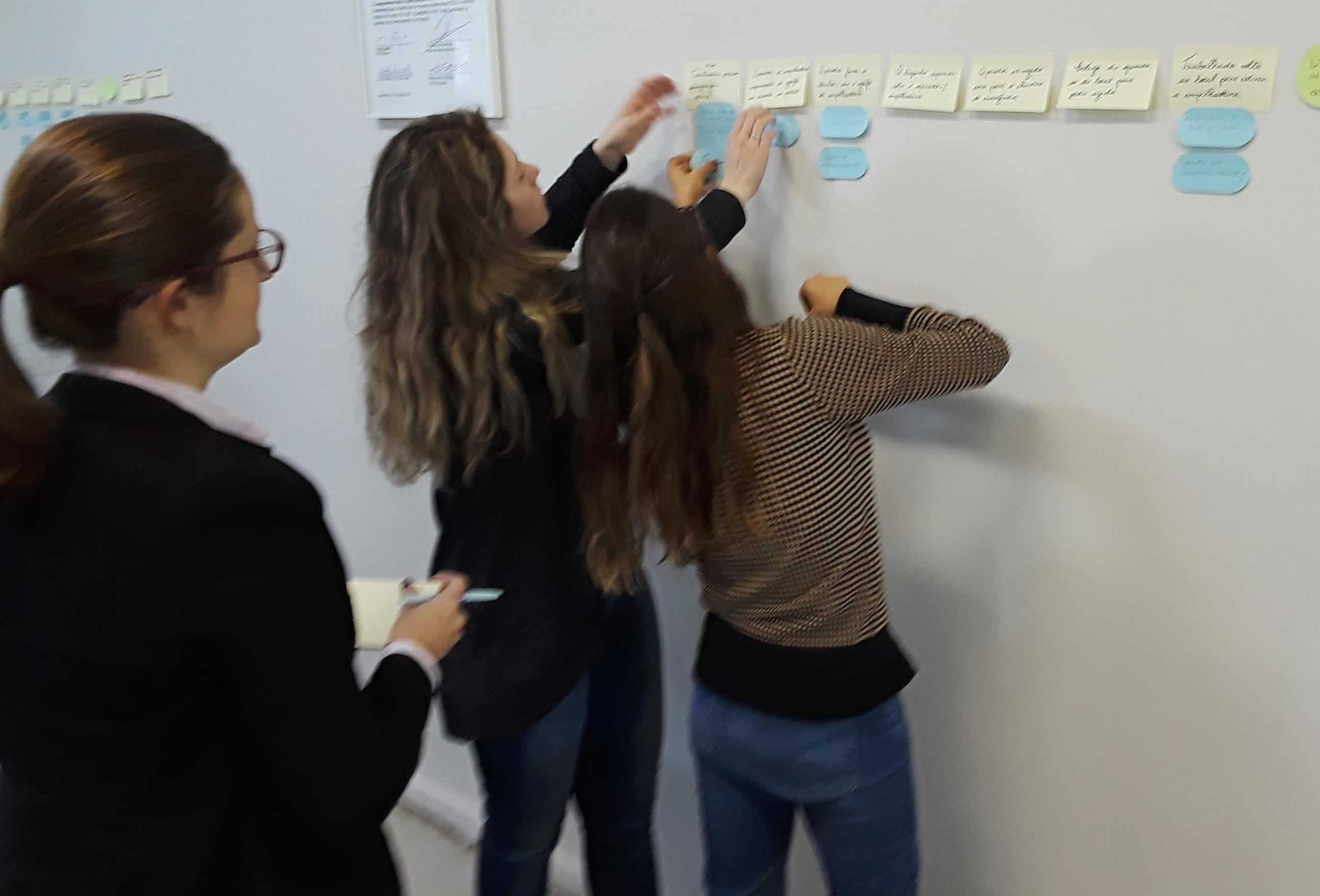
3 Common Mistakes Investigators Make on SnapCharT® Diagrams

A good SnapCharT® Diagram is the foundation of a strong investigation, yet common mistakes can weaken the entire analysis. Before identifying Causal Factors, collect all relevant information related to the incident and organize the information so that the sequence of events reflects what actually happened. When important details are missed early, you risk overlooking conditions that can lead to repeat incidents.
The good news is that most common mistakes are easy to correct once you know where to look. The following are three common mistakes.
1. Only focusing on events in the middle of the work process.
A frequent issue is starting the SnapCharT® Diagram where the most visible activity occurred rather than where the incident sequence truly began.
To avoid this mistake, go to the first event on your SnapCharT® Diagram, and ask what happened before that event that may have contributed to the incident:
- Is the first hazard release shown on your SnapCharT® Diagram?
- Is the first mistake made in this work process shown?
- Did you capture the first safeguard that failed?
- At what point did the equipment stop performing as expected?
If the diagram is missing any of this information, part of the story is missing. Go back far enough to include the earliest relevant actions, failures, or conditions that influenced the outcome.

2. Only including information about what one work group did.
The second common mistake is connected to the first, but it shows up differently. You may capture enough earlier events, yet still leave out important information because the SnapCharT® Diagram only reflects what one work group did.
If another department, contractor, or work group touched the workflow before another group, their actions and conditions belong on the SnapCharT® Diagram too.
This requires extra effort:
- asking another group what they did
- collecting their task-specific paperwork
- understanding what changed hands, what was communicated, and what assumptions were made
If you leave those parts out, you may end up “fixing” the end of the process while the earlier problems stay simmering.

3. Poorly written descriptive elements in Events and Conditions.
Defining Causal Factors becomes easier when your SnapCharT® Diagram reads like a detailed, accurate story.
A strong rule is to write Events in a clear “who did what” or “what did what” format. (Do not stop at the incident itself. Include immediate actions after the incident if they help explain escalation, response, or missed recovery opportunities.)
For example, “Pump Stopped” does not provide enough information. A stronger event statement would be:
Operator A presses Pump 2B stop button. (Who did what.)
That level of detail matters in the example above because equipment outcomes are often connected to worker actions, timing, and surrounding conditions.
Conditions also need enough detail to support learning. Statements such as “procedure not used” often appear on charts without explanation. That should lead to questions such as:
- Was the procedure available?
- Were workers trained to use it?
- Was procedure use reinforced in practice?
- Did the procedure fit the work being performed?
You should also ask:
- What should have caught the mistake before it led to the incident?
- What barrier, control, or safeguard should have prevented the event from progressing at that point?
Every broken safeguard shown on the SnapCharT® Diagram is an opportunity to understand why the action made sense at the time.
The Details Determine the Value of the Investigation
A SnapCharT® Diagram can appear complete while still missing critical information.
When details are thin, you may assign Causal Factors too early, and corrective actions often stay at the level of rewriting procedures, retraining workers, or reminding people of expectations.
A detailed, evidence-based diagram improves the likelihood of identifying the right Causal Factors and reducing repeat incidents.
Strong investigations begin with a strong SnapCharT® Diagram. The 2-Day TapRooT® Root Cause Analysis course helps investigators practice evidence collection, build clearer event sequences, and avoid common mistakes that can weaken an investigation. If you want to learn more about building a strong foundation in your investigations, join us for a course.